


Free VPNs Aren’t Free—You’re Just Paying With Your Data
Free VPNs sell your browsing habits. Compare the 500 MB cap and logging fine print to Bitdefender’s unlimited, no-log plan at $2.92/mo.


Free VPNs sell your browsing habits. Compare the 500 MB cap and logging fine print to Bitdefender’s unlimited, no-log plan at $2.92/mo.

SIM-swap fraud surged 1,000% in a year—your phone number is now the master key to bank and crypto accounts.

FBI: seven Steam indies hid password-stealing malware. Uninstall, nuke your creds, and move on.

AI-made fake social profiles now outrun domain phishing. Cisco’s new add-on folds social takedowns into the same console that already blocks email spoofs.

AI-built malware favors speed over craft, yet 14% still bypass scanners. HP says isolation, not smarter detection, broke the chain.
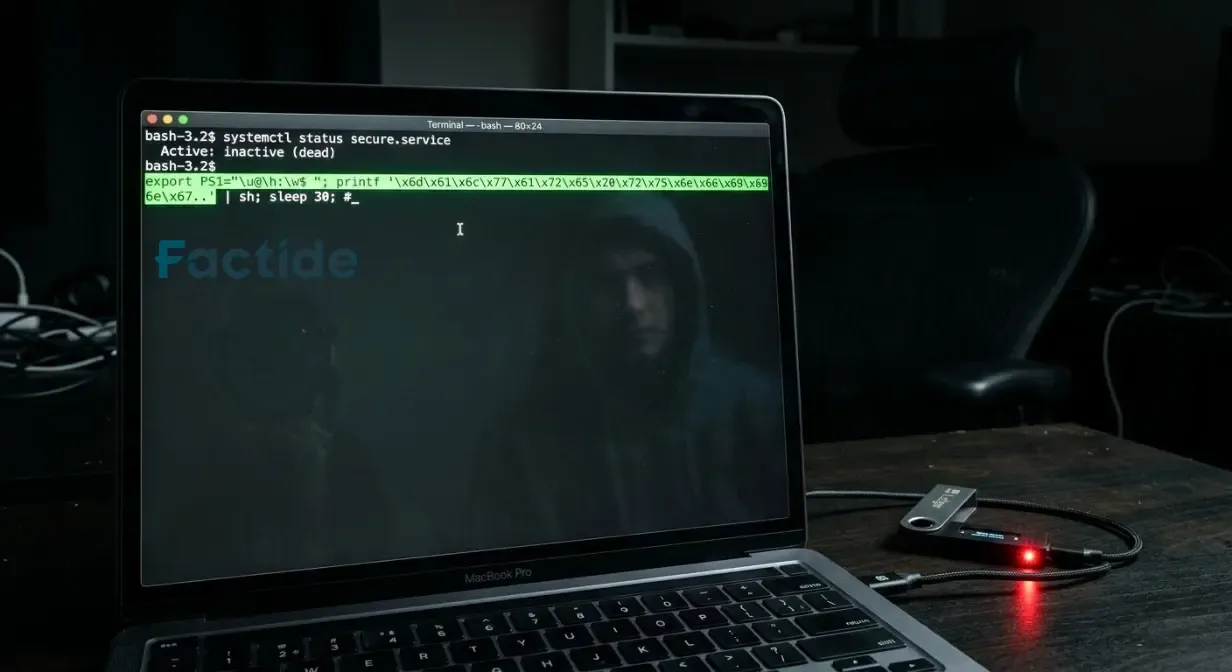
A single Terminal paste—triggered by poisoned Google ads and fake ChatGPT links—empties Mac keychains while Apple’s guards sleep.

Phishers weaponize your own security awareness: cheap spam floods SOCs, burying real threats under hours of busywork.

As quantum computers threaten encryption, the U.S. National Cyber Strategy outlines six pillars for quantum readiness and AI security. With 88% of AI models vulnerable to jailbreaking, the race to secure critical infrastructure accelerates.

A 2026 data leak exposing 50,000 children's AI toy conversations reveals technical and psychological risks parents must understand.

Kaspersky Cloud Workload Security integrates OpenAI API to transform vulnerability data into actionable insights, with Advanced Pro tier and endpoint updates addressing containerized environment challenges.

2025’s cyber threats outpaced defenses with AI-driven attacks, malware-free intrusions, and record-breaking cyberthefts like PRESSURE CHOLLIMA’s $1.46 billion heist.
Cybercriminals are spreading fake PDF files disguised as software updates to silently install remote access tools. Victims often remain unaware while attackers gain long-term control over infected systems, according to cybersecurity researchers.