


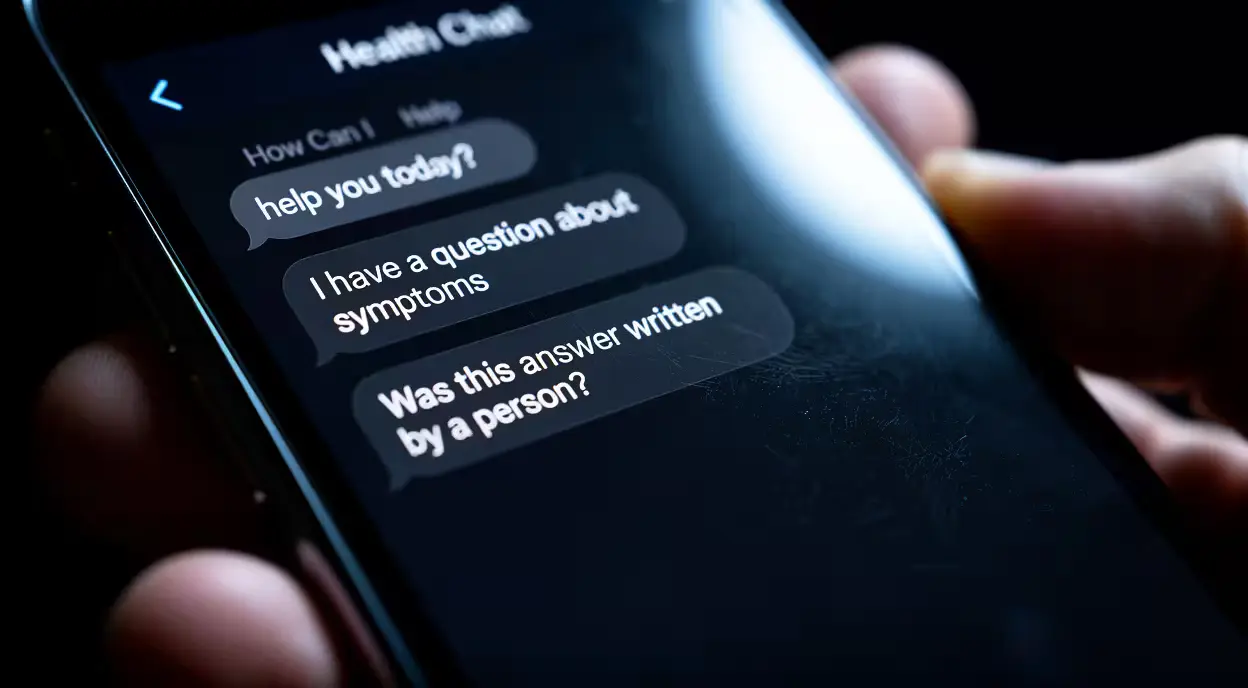
Over 66 million Americans, one in four U.S. adults, now report using artificial intelligence tools or chatbots for physical or mental healthcare information or advice. The finding comes from a nationally representative survey of more than 5,500 adults conducted from October through December 2025 by the West Health-Gallup Center on Healthcare in America.
Among those who turned to AI for health purposes in the past 30 days, 71% wanted answers quickly. An identical share sought additional information. Two-thirds said they were curious about what AI would say. But the pattern is not one of wholesale replacement. More than half use the technology to supplement traditional care, researching on their own before seeing a doctor (59%) or after (56%).
The motivations split by income in ways that reveal systemic pressure points. Among adults earning less than $24,000 annually, 32% used AI because they could not pay for a doctor's visit. That figure drops to 2% among those earning $180,000 or more. Cost barriers appear elsewhere: 27% of recent users did not want to pay for a visit, and 14% were unable to pay. Access barriers follow, with 21% lacking time to make an appointment and 16% unable to access a provider.
Quality and stigma also drive some toward algorithms. One in five recent users said they felt dismissed or ignored by a provider in the past. Eighteen percent were too embarrassed to talk to a person.
The consequences of this shift are measurable. Among recent AI health users, 84% still saw a healthcare provider. But 14% report not seeing a provider they otherwise would have seen because of information or advice they received from AI. Projected across the full U.S. adult population, this represents roughly 14 million Americans who skipped a provider visit after receiving AI-generated health information.
Trust in that information remains fractured. Among recent users, roughly one-third say they trust it, one-third neither trust nor distrust it, and about one-third distrust it. Only 4% say they strongly trust the accuracy. Yet decisions are being made. Eleven percent of those who used AI for health information in the past 30 days say the tool recommended something they believed was unsafe.
Younger adults show different patterns than older ones. Sixty-nine percent of adults aged 18 to 29 use AI to research before seeing a doctor, compared with 43% of those 65 and older.
Everyday health questions dominate use cases. Fifty-eight percent of recent users sought information about physical symptoms. Fifty-nine percent asked about nutrition or exercise. Nearly half (46%) explored medication side effects, and 44% used AI to interpret medical information. Nearly one in four (24%) explored mental health or emotional concerns.
Tim Lash, President of the West Health Policy Center, framed the institutional challenge:
"Artificial intelligence is already reshaping how Americans seek health information, make decisions and engage with providers, and health systems must keep pace. The risk isn't that AI is moving too fast — it's that health systems may move too slowly to guide its use in healthcare responsibly."
The survey methodology notes a maximum margin of sampling error of ±2.1 percentage points at the 95% confidence level.
Source: Eurekalert