


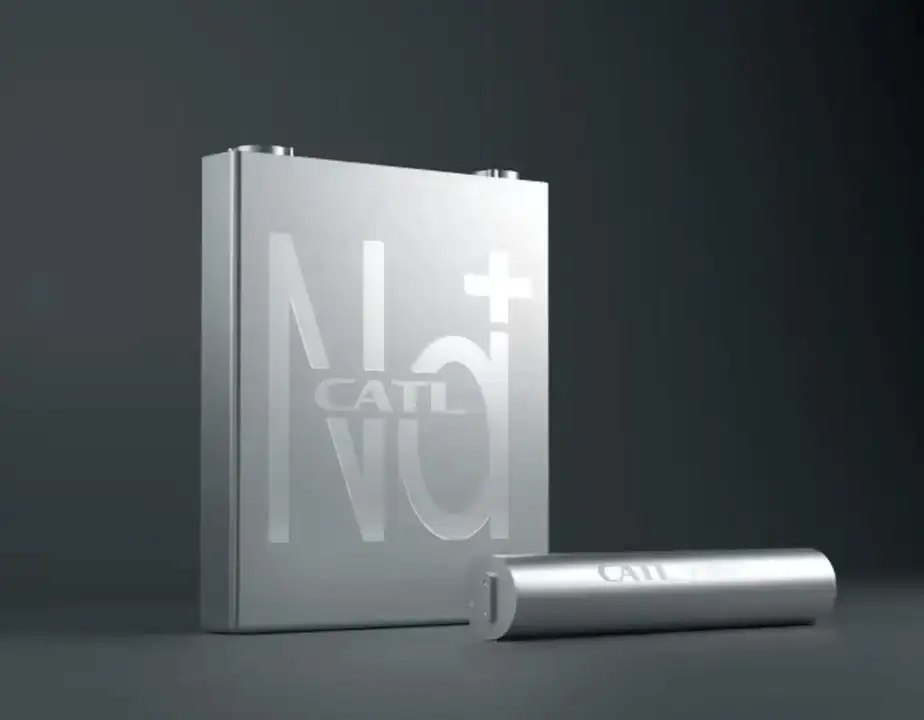
Sodium-ion batteries retain nearly 90% of their capacity at -40°C, a performance that outpaces conventional lithium-iron-phosphate and nickel-manganese-cobalt batteries in extreme cold.
CATL, the Chinese battery giant, says the technology also costs about 30% less than LFP batteries and does not rely on lithium or other limited resources, improving supply chain security.
The company's chief technical officer, Gao Huan, says four major production hurdles have been cleared: humidity control, gas generation in the hard carbon structure, connection issues with aluminum foil, and the mass production of self-forming anodes.
CATL claims to have solved over 100 engineering problems to enable commercial production.
According to Chinese media, the company has invested nearly 10 billion yuan in sodium-ion battery R&D by 2025. Chairman Robin Zeng believes the technology could eventually make up 30% to 40% of the battery market, representing a foundational shift rather than just a complementary technology.
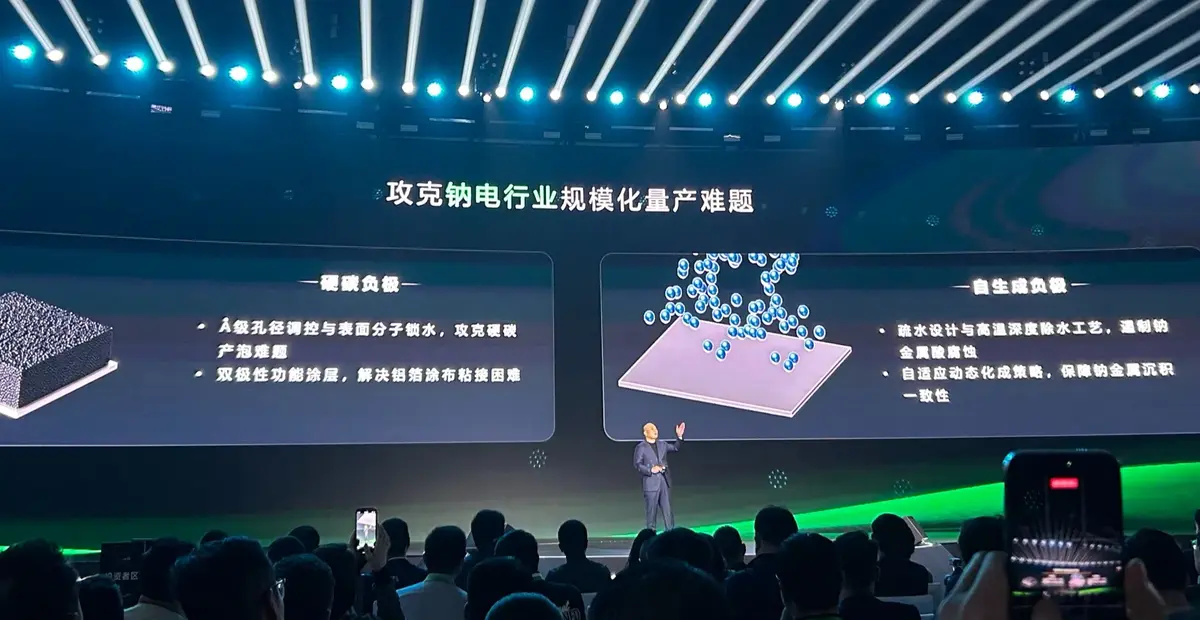
Commercialization is accelerating. In December 2025, CATL announced wide-ranging plans for use in battery-swapping systems, passenger vehicles, commercial vehicles, and energy storage. By early 2026, serial production of sodium-ion batteries began in light commercial vehicles with the introduction of the "Tectrans II" solution.
The technology's main limitation remains its energy density. CATL's current sodium-ion batteries are around 175 Wh/kg, which is why they are initially targeted at affordable, small electric vehicles.
The company expects range to increase significantly as the supply chain matures. It projects fully electric vehicles could achieve 600 km of range, while range-extender hybrid models could manage 300–400 km of electric driving. These levels are said to meet the needs of over half the market. Source: carnewschina