


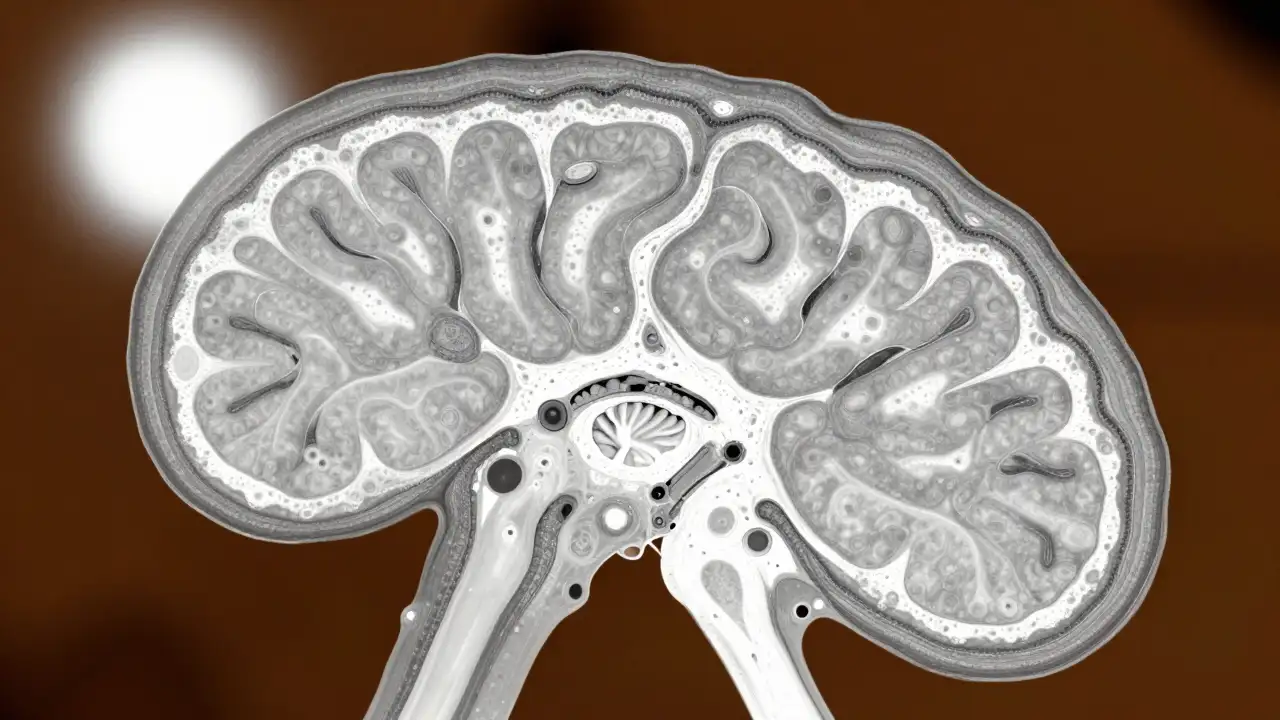
A natural hormone can reverse obesity in mice by making the body burn more energy rather than eat less. The finding reveals an entirely separate mechanism from the appetite suppression used by popular GLP-1 weight loss drugs, even though both act on the same brain region.Researchers at the University of Oklahoma identified that FGF21 (fibroblast growth factor 21) signals to the hindbrain, the lower rear portion of the brain. This was unexpected. The team had predicted the hormone would target the hypothalamus, the brain structure most commonly associated with body weight regulation.
Matthew Potthoff, Ph.D., professor of biochemistry and physiology at the OU College of Medicine and deputy director of OU Health Harold Hamm Diabetes Center:
"In our previous studies, we found that FGF21 signals to the brain instead of the liver, but we didn't know where in the brain. We thought we would find that it signaled to the hypothalamus (which is widely implicated in body weight regulation), so we were very surprised to discover that the signal was to the hindbrain, which is where the GLP-1 analogs are believed to act."
More specifically, FGF21 interacts with two hindbrain structures: the nucleus of the solitary tract (NTS) and the area postrema (AP). These then communicate with the parabrachial nucleus. This signaling chain is essential for the hormone's metabolic effects.
Matthew Potthoff:
"This brain circuit seems to be mediating the effects of FGF21. We hope that by identifying the specific circuit, it can help in the creation of more targeted therapies that are effective without negative side effects. FGF21 analogues have side effects like gastrointestinal issues and, in some cases, bone loss."
The distinction matters clinically. GLP-1 medications like Ozempic and Wegovy reduce food intake. FGF21 ramps up metabolic activity. For patients who respond poorly to appetite suppression, or who cannot tolerate GLP-1 side effects, the alternative pathway offers a different target. Drugs mimicking FGF21 are already in clinical trials for MASH (metabolic dysfunction-associated steatohepatitis), a severe form of fatty liver disease. Whether the same hindbrain circuit mediates those liver benefits remains unknown.
Matthew Potthoff:
"While this study focused on the mechanism of FGF21 to reduce body weight, additional studies are necessary to examine whether this circuit also mediates the ability of FGF21 and FGF21 analogues to reverse MASH."
The research was published in Cell Reports. DOI: 10.1016/j.celrep.2026.117093