


As Southeast Australia swelters through a record-breaking heatwave, older adults face a silent but lethal threat: their bodies are less equipped to survive extreme temperatures.
Physiological changes such as reduced blood flow and diminished sweating capacity make them more vulnerable to heat-related illnesses.
Heat exacerbates chronic conditions like diabetes, heart disease, and kidney disorders. Medications commonly prescribed to older adults—including diuretics, beta-blockers, and anticholinergics—can further impair the body’s ability to regulate temperature.
Social determinants such as high energy costs, isolation, and cognitive decline from dementia compound these risks, limiting access to cooling solutions and timely care.
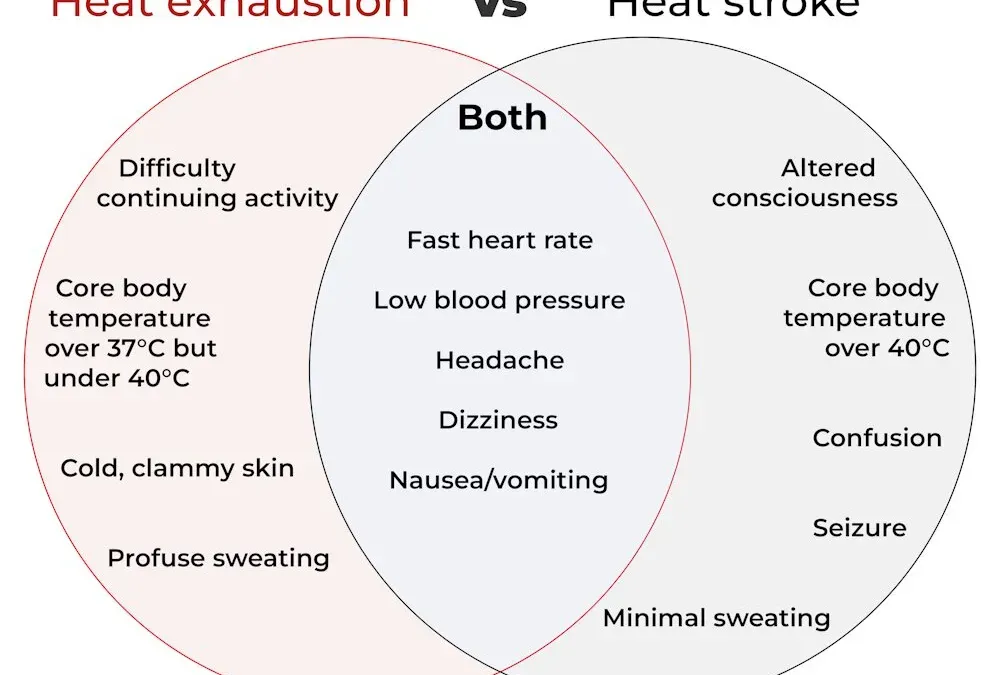
Early warning signs of heat stress include heavy sweating, nausea, and confusion. If left unaddressed, this can progress to heat stroke, a life-threatening condition requiring immediate medical intervention.
Cooling strategies like air conditioning (set to 26–27ºC) are most effective, though fans alone may reduce cooling efficiency when temperatures exceed 37ºC. Immersing hands and arms in cool water every 30 minutes can help lower core body temperature.
The study does not provide clinical guidance; experts caution more research is needed before changing clinical practice. No independent expert commentary was included in the source.
⚠️ LEGAL DISCLAIMER: It is for informational purposes only. It never substitutes for professional medical advice, diagnosis, or treatment. Always consult your doctor regarding any questions about your health.