


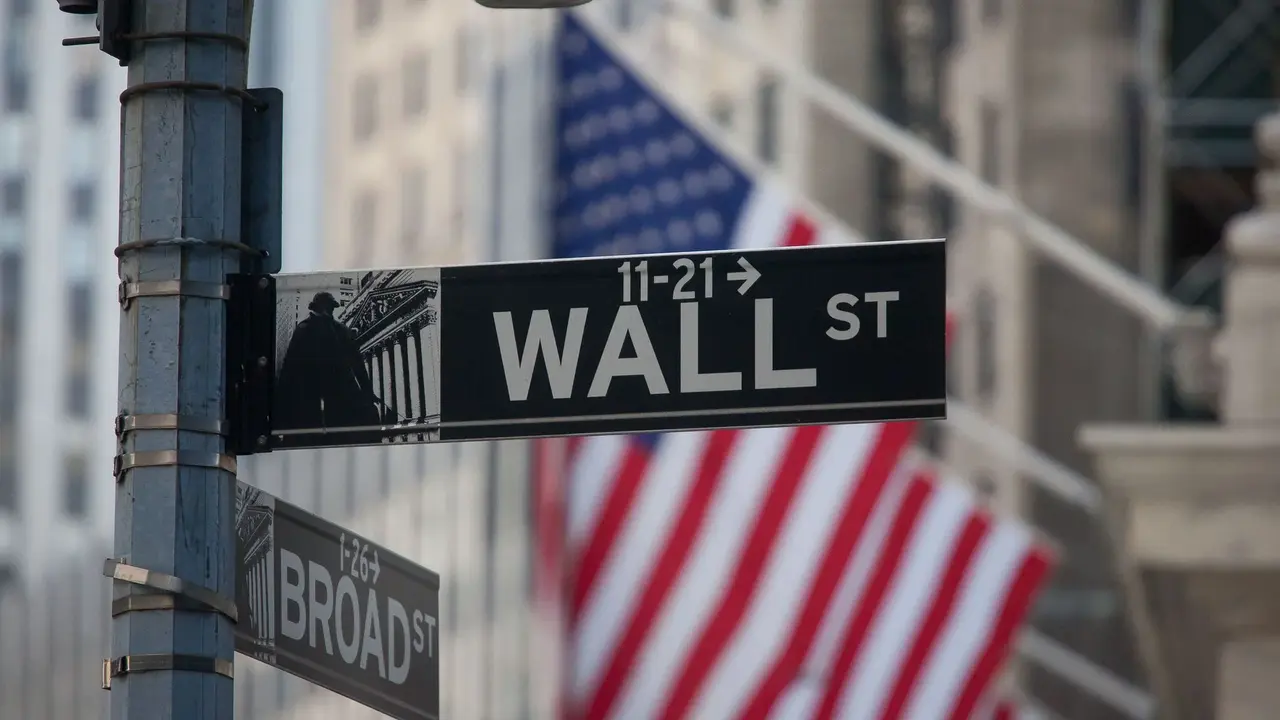
U.S. regulators handed Wall Street a significant victory Thursday, unveiling softened bank capital rules that roll back requirements by 4.8% for the nation's largest lenders — a sharp reversal from a 2023 plan that would have raised them by as much as 20%.
The Federal Reserve, the FDIC, and the Office of the Comptroller of the Currency jointly approved the proposals, which rewrite the contentious Basel III draft and adjust the surcharge applied to Global Systemically Important Banks.
The Fed estimates required capital at the eight most interconnected U.S. banks could fall around $20 billion. Democratic Fed governor Michael Barr, who opposed the changes, put that figure closer to $60 billion when additional forthcoming policy adjustments are factored in.
Goldman Sachs, Morgan Stanley, JPMorgan Chase, and Citibank lobbied hardest for the overhaul. Morgan Stanley analysts wrote this month that the twelve largest U.S. banks are sitting on roughly $175 billion in excess capital accumulated during years of regulatory uncertainty — capital that could now flow into lending, capital markets activity, and share buybacks.
Larger regional banks including PNC and Truist would see a slightly steeper 5.2% reduction, while banks with less than $100 billion in assets would benefit from a 7.8% decline.
Fed Vice Chair for Supervision Michelle Bowman, who led the overhaul, said the changes would better calibrate requirements in line with actual risks while keeping capital "robust." Barr countered in a statement that the moves were "unnecessary and unwise."
Not everyone on Wall Street celebrated. Industry lobby groups called the draft an "important step forward" while noting they would "carefully review the proposals and expect to provide feedback" — a measured response suggesting further negotiations ahead. Scott O'Malia, CEO of the International Swaps and Derivatives Association, offered a similarly cautious welcome:
"First impressions are that this is a significant improvement on the previous proposal. But the devil is in the details."
Moody's analysts flagged the downside, writing that falling capital would be "credit negative" for lenders and that "given the variation in business models and balance sheet mixtures among U.S. banks, the impact will likely vary significantly by bank."
Banks now have 90 days to respond to thousands of pages of documents and model the proposals alongside tweaks to stress tests and other capital measures.
Source: Reuters
⚠️ LEGAL DISCLAIMER: This article is for informational purposes only and does not constitute financial or investment advice.