


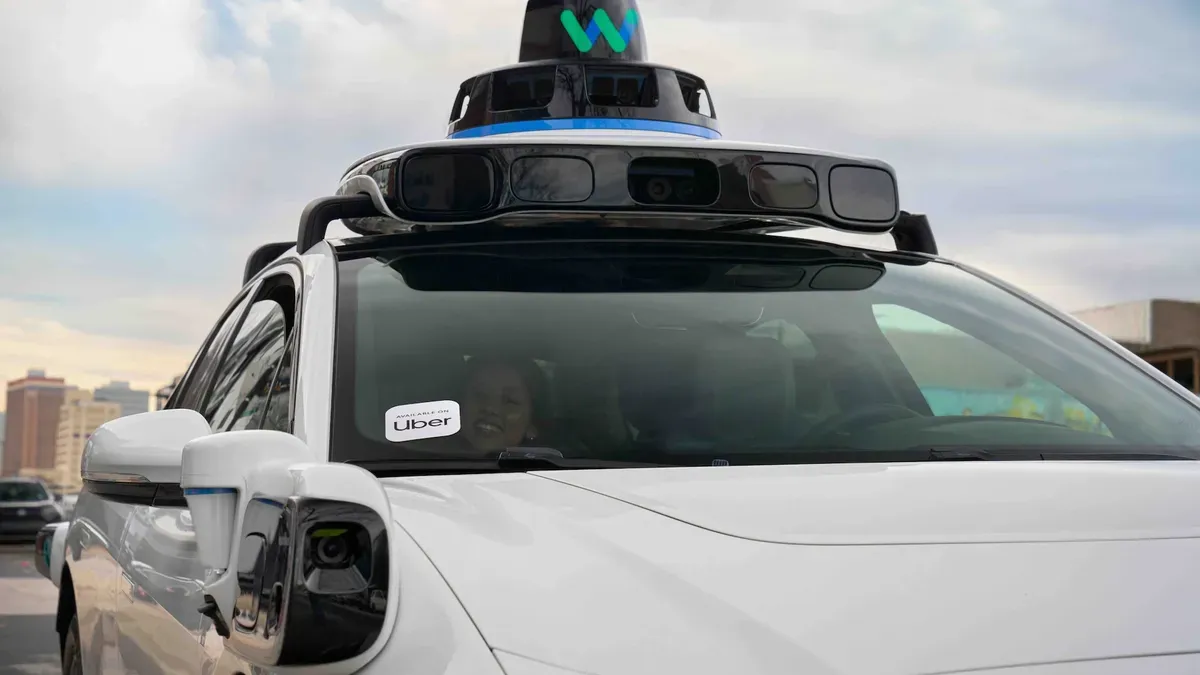
Uber is building a $200 million autonomous vehicle data pipeline—but it won’t be selling robotaxis. Instead, the company is positioning its AV Labs as a critical infrastructure layer for mid-sized autonomous vehicle startups struggling to address edge cases in path planning algorithms.
By leveraging Uber’s shadow mode testing and semantic understanding data processing, these startups could bypass years of sensor integration challenges.
Praveen Neppalli Naga, a key figure in Uber AV Labs, explained the strategy:
"Our goal, primarily, is to democratize this data, right? I mean, the value of this data and having partners’ AV tech advancing is far bigger than the money we can make from this."
This approach contrasts sharply with Tesla’s fleet-scale data collection, which remains unmatched in volume but lacks the curated edge case focus Uber is cultivating.
The startup’s shadow mode—where AV systems run in simulation while human drivers operate vehicles—generates high-fidelity edge case data without the safety risks of real-world testing. However, Danny Guo, a technical lead, acknowledged the limitations:
"We don’t know if the sensor kit will fall off, but that’s the scrappiness we have."
The semantic understanding layer adds another technical hurdle. This data processing stage requires contextualizing raw sensor data—distinguishing between a child chasing a ball and a stray animal, for example—before sharing it with partners.
Uber plans to grow AV Labs to "a few hundred people" within a year, signaling its commitment to refining this pipeline.