


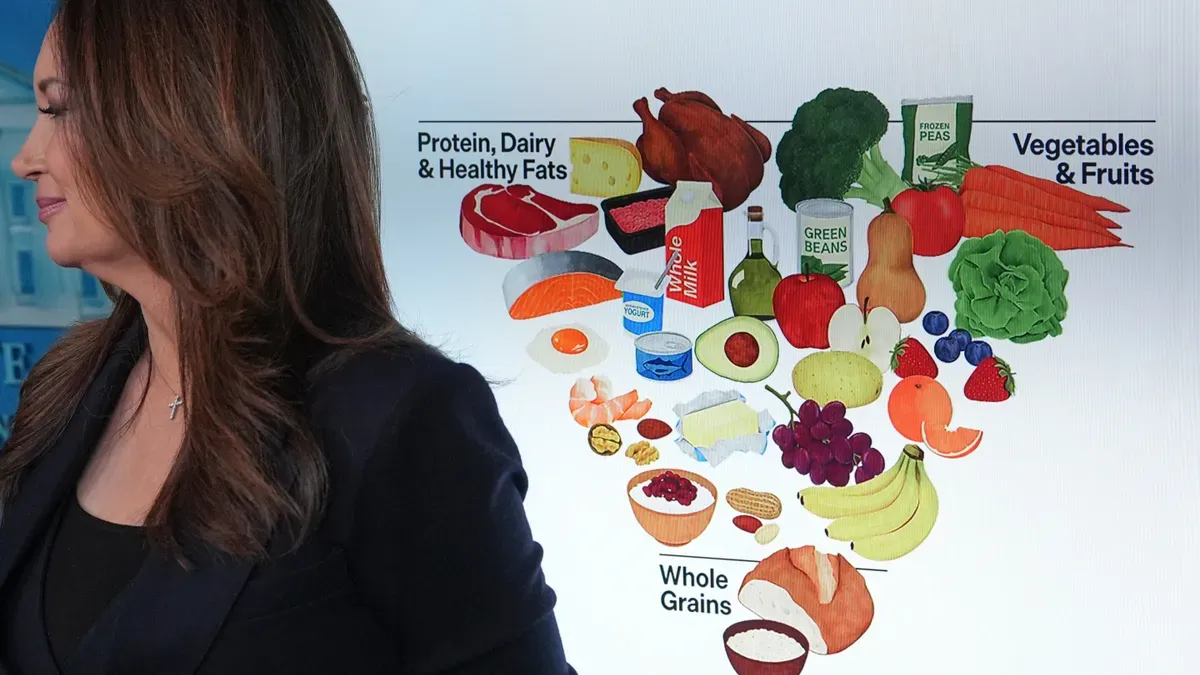
The Trump administration’s 2025–2030 U.S. Dietary Guidelines propose a significant overhaul of American eating habits, emphasizing whole foods, increased protein consumption, and reduced reliance on ultraprocessed foods—despite unresolved scientific debates over meat-centric recommendations and implementation challenges in school nutrition programs.
The guidelines advise Americans to prioritize whole foods, protein, and dairy while avoiding highly processed foods, refined carbohydrates, and added sugars.
Health Secretary Robert F. Kennedy Jr. summarized the administration’s stance: "Our message is clear: Eat real food."
Protein intake recommendations have been doubled to 1.2–1.6 grams per kilogram of body weight, a shift that has drawn both praise and criticism.
Dr. David Kessler, a former FDA commissioner, stated: "There should be broad agreement that eating more whole foods and reducing highly processed carbohydrates is a major advance in how we approach diet and health."
However, the guidelines retain the longstanding advice to limit saturated fat to 10% of daily calories, allowing whole-food sources like meat and whole-fat dairy. Dr. Marion Nestle, a public health nutritionist, raised concerns about unintended consequences: "Overall, if people eat the way these are recommended, they will be eating more calories, not less."
The advisory panel on dietary guidelines did not address ultraprocessed foods due to scientific uncertainties in existing research.
Dr. David Ludwig, a pediatric endocrinologist, emphasized the nuance: "I think the focus should be on highly processed carbohydrates... processing of protein or fats can be benign or even helpful."
Implementation of the guidelines in the National School Lunch Program will take years, with the Agriculture Department planning to translate recommendations into meal requirements by 2027.
The guidelines also removed previous alcohol consumption limits, advising instead to "consume less alcohol for better health." Added sugars are now capped at 10 grams (2 teaspoons) per meal, a sharp reduction from the previous 10% of daily calories (12 teaspoons in a 2,000-calorie diet).
⚠️ LEGAL DISCLAIMER: It is for informational purposes only. It never substitutes for professional medical advice, diagnosis, or treatment. Always consult your doctor regarding any questions about your health.