


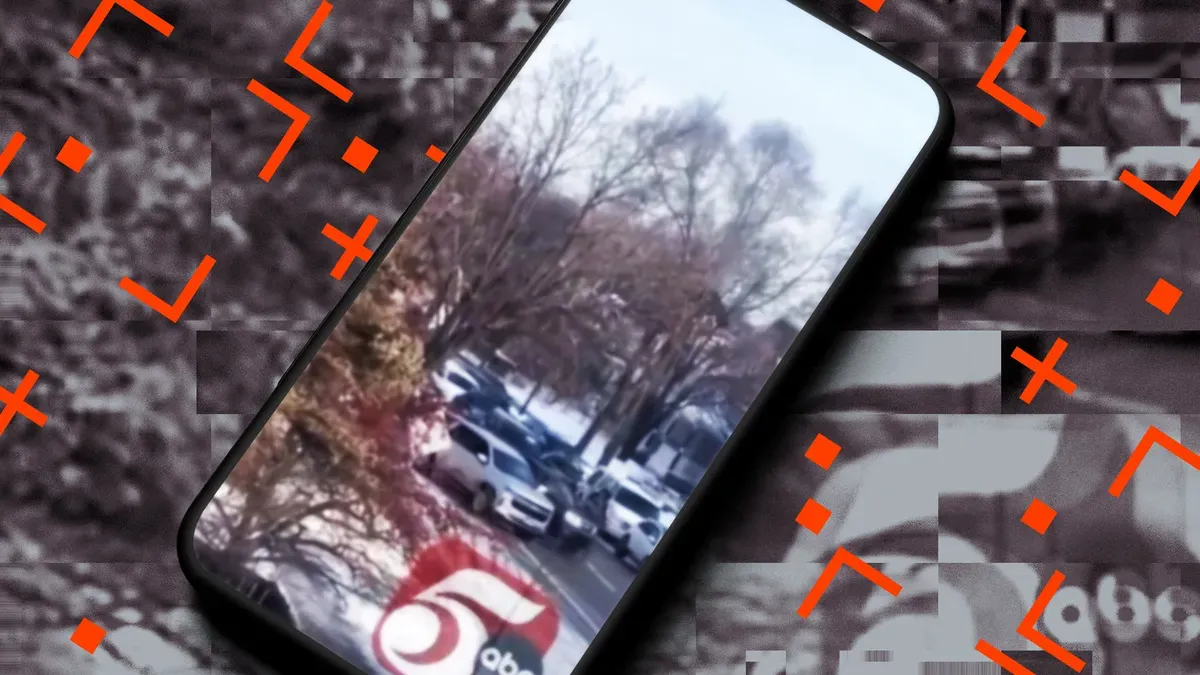
When a federal agent shot and killed Renee Good, the Trump administration didn’t wait for facts—it weaponized a grainy, 13-second video to frame her as a terrorist.
Kaspersky noted:
"This is the first time we’ve seen ToneShell delivered through a kernel-mode loader."
ICE agent fired three shots into Renee Good’s vehicle; DHS Secretary Kristi Noem labeled the incident 'domestic terrorism.' Trump claimed on Truth Social that Good 'violently, willfully, and viciously ran over' ICE agents, despite conflicting witness footage.
The Trump-aligned video clip is 13 seconds long, slowed down, grainy, and filmed from an obstructed angle with a local TV station watermark.
Multiple unaltered videos contradict ICE’s account: ICE agents yanked Good’s door handle, and the shooter was not in the car’s path when he fired.
AI tools like Grok were used to falsely 'unmask' the ICE agent’s face, while screen-recorded, cropped, and deep-fried versions of the video spread across X, TikTok, and Libs of TikTok. Parallels to George Floyd’s video: Both used to mobilize public opinion, though Good’s case lacks consensus on accountability despite conflicting evidence.