The 'Smart' Mattress That Can't Think: How Vague Tech Jargon Shapes Sleep Tech
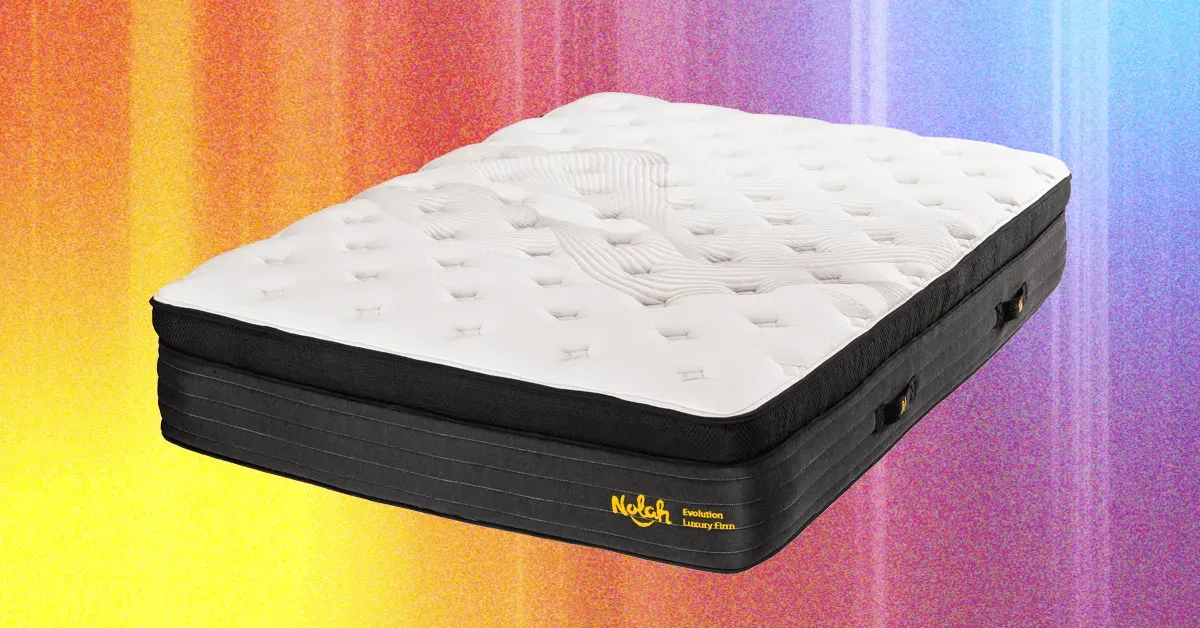
A 'smart bed' for side sleepers promises 45 firmness levels—but how does it actually work, and what does 'smart' even mean in this context?
The Rejuvenate by Personal Comfort positions itself as a sleep solution with 45 firmness levels and a 'phase change cooling cover.' However, the product description offers no technical explanation of how this 'phase change' material differs from conventional cooling technologies.
The term could refer to a marketing strategy rather than a novel material science breakthrough, given the absence of peer-reviewed research or patent citations in the source text.
Practically, 45 firmness levels may overwhelm average users. Most mattress retailers offer 5–10 distinct firmness options, suggesting that such granularity could lead to decision fatigue rather than improved sleep outcomes.
The product’s 120-night trial period implies a focus on consumer testing rather than algorithmic personalization, contrasting with AI-driven sleep trackers that adjust settings automatically.
By omitting specific AI functionality—such as machine learning or adaptive automation—the product sets expectations that align with manual adjustments rather than autonomous systems. This omission may mislead buyers expecting self-learning capabilities, particularly in a market where 'smart' often implies data-driven optimization.