The Billionaire Exodus: How California’s Voting-Share Tax Could Bankrupt Startups Before They Fail
Silicon Valley’s billionaires are fleeing California not over taxes, but over a voting-share wealth tax that could cost them billions in unrealized gains—if they survive a bureaucratic war of valuations.
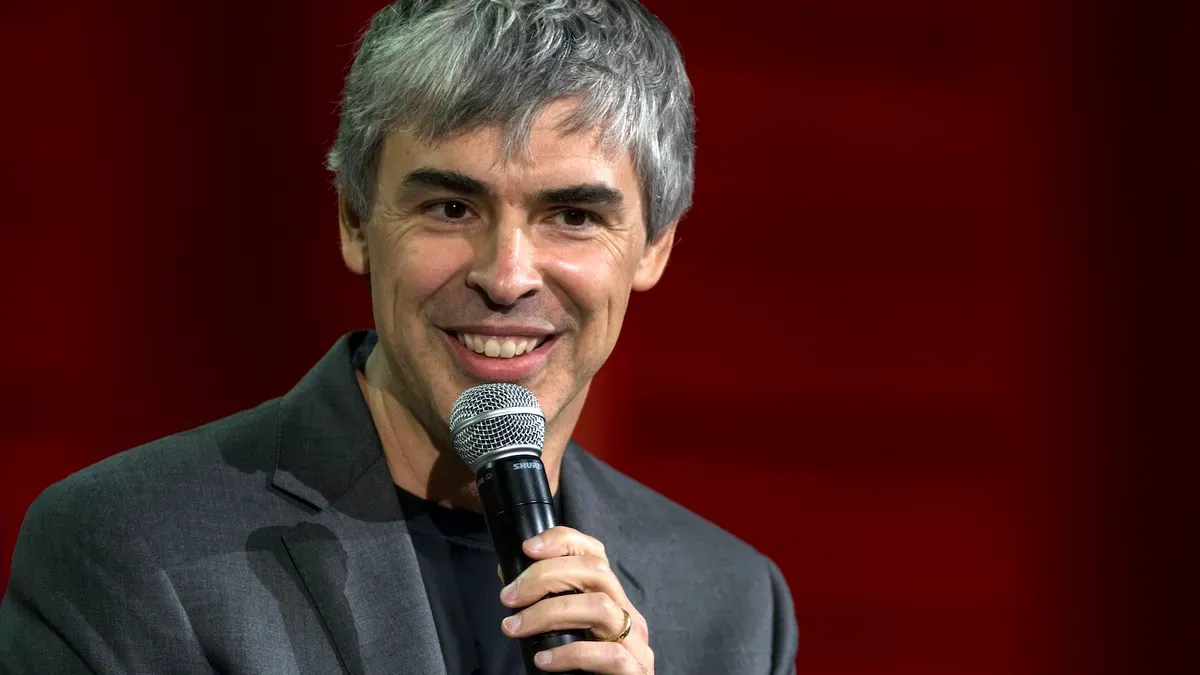
The proposed California wealth tax would tax voting shares, not actual equity, hitting founders like Larry Page who control 30% voting power but own 3% equity.
This structural asymmetry creates financial leverage for lawmakers, allowing them to target wealth concentration without directly taxing ownership stakes. As Stanford Law professor David Gamage, the proposal’s architect, explained:
"I don’t understand why the billionaires just aren’t calling good tax lawyers."
For mid-sized startups, the risks extend beyond theoretical debates. Tax experts warn that valuing private companies is "inherently difficult," with penalties looming for appraisals the state disputes. Gamage emphasized the tax’s conditional nature:
"If your startup fails, you pay nothing."
Yet the practical reality is starkly different. Contested valuations could trigger death loop penalties—repeated fines for disputing appraisals—while deferral-account logistics add operational complexity for already cash-strapped ventures.
The health care union’s $100 billion tax targets 200 billionaires to offset Trump-era healthcare cuts, requiring 875,000 signatures for the 2026 ballot.
Silicon Valley elites are already relocating assets to Miami, with Page spending $173.4M on Miami properties and Peter Thiel leasing office space there. Governor Gavin Newsom declared the proposal "will be defeated," while union leaders framed it as a fight to "keep emergency rooms open."