The Algorithm of Craving: How Blind Boxes Turned Mystery Into a $3.2 Billion Gamble
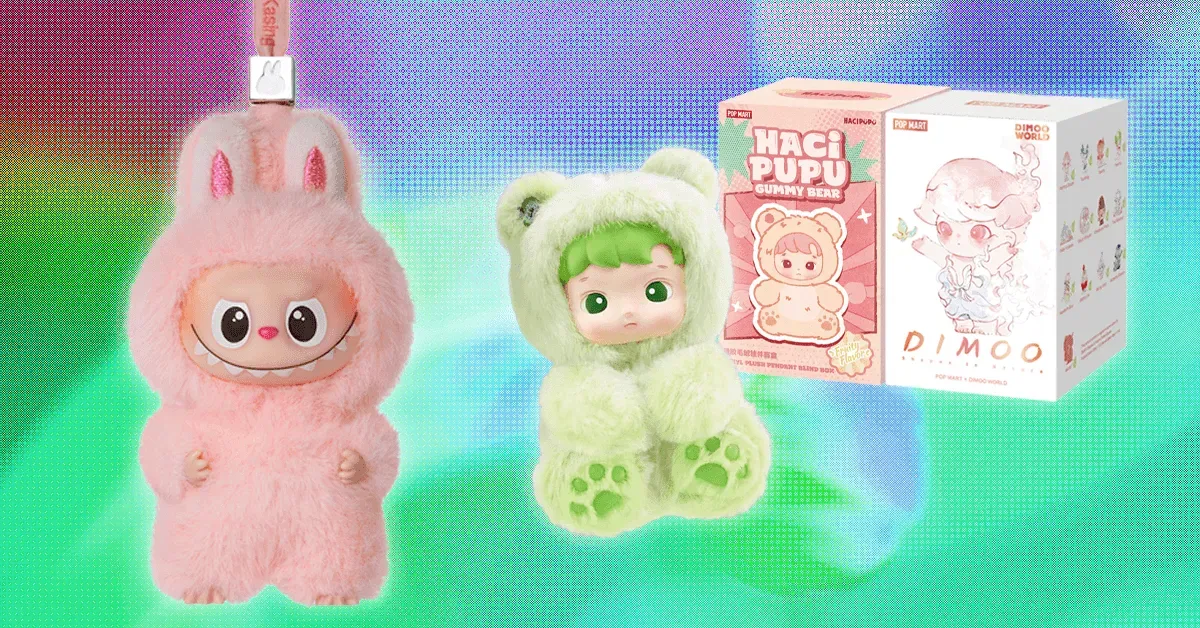
Blind boxes—a $3.2 billion global market—have become a digital-age slot machine, blending FOMO with the thrill of the unknown. These mystery collectibles, sealed in opaque packaging and often containing vinyl figures or plush bag pendants, thrive on the psychological tension between scarcity and reward.
At the heart of their appeal lies the "secret edition" design strategy. By embedding ultra-rare variants into random packs, brands like Pop Mart and Miniso create a self-reinforcing cycle of demand.
One collector described the process as "a game of Russian roulette with your wallet—except the bullets are Labubu charms." This scarcity-driven model mirrors the viral mechanics of social media, where unpredictable rewards (a TikTok unboxing video, a celebrity endorsement) drive compulsive engagement.
The author’s test of online availability revealed a system optimized for instant gratification. Within minutes of a new release announcement, marketplaces like Miniso’s app sold out of limited-edition packs.
This speed amplifies FOMO, pushing buyers toward bulk purchases as insurance against future unavailability. The result is a consumer psychology loop: anticipation → purchase → social proof → renewed anticipation.
What makes this system unique is its physicality. Unlike digital algorithms that curate endless content, blind boxes force users to confront their choices in tangible form.
A $40 pack might contain a $10 trinket or a $200 "secret edition," but the act of holding the box—its weight, its opacity—heightens the emotional stakes. This tactile feedback loop creates a visceral connection between desire and consumption.