The AI Mirage in Baby Gear: Why 'Smart' Products Aren't That Smart
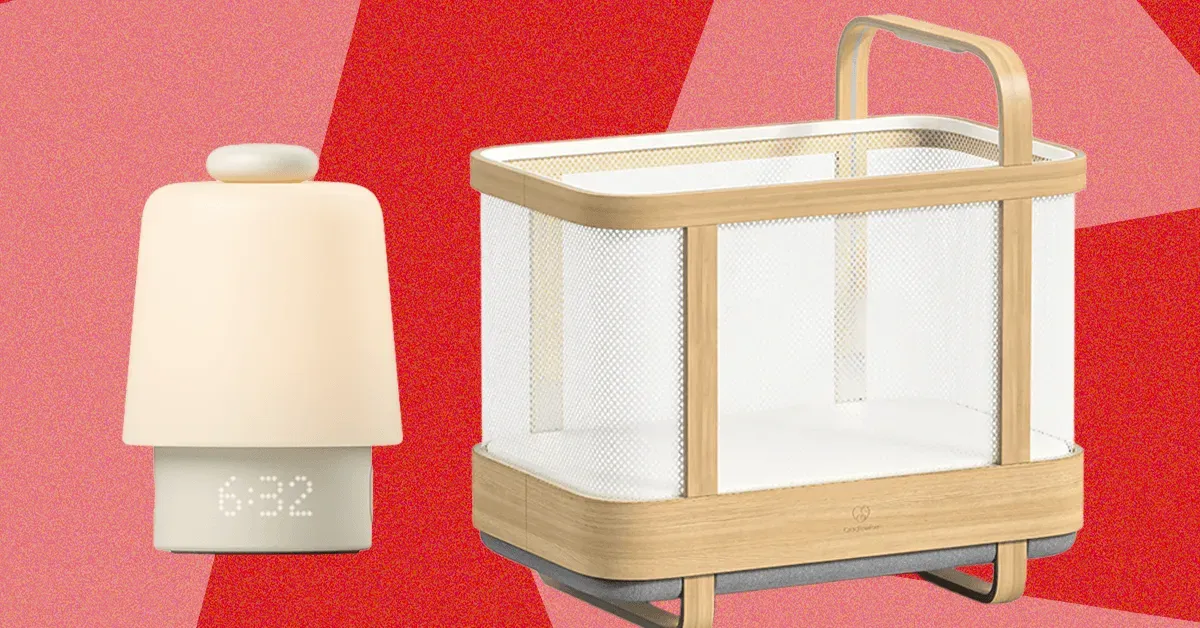
Parents seeking smart baby gear might be surprised by how little actual AI powers the most-touted 'smart' products in 2024. From baby monitors to high-end bouncers like the $800 Elvie Rise, the term 'smart' often masks a reliance on basic sensors and connectivity rather than machine learning or adaptive intelligence.
Product reviews and testing focus overwhelmingly on usability—ergonomic design, portability, and battery life—while algorithmic capabilities remain unmentioned.
The Elvie Rise, marketed as a 'smart bouncer and bassinet,' lacks explicit claims about AI-driven features such as behavioral pattern recognition or automated adjustments. Instead, its 'smart' designation appears tied to Bluetooth connectivity and app integration for remote monitoring.
This disconnect between marketing language and technical implementation raises questions about how manufacturers define 'smart' in 2024. While sensors and IoT connectivity enable basic data collection, these systems rarely employ the machine learning models that would qualify as true AI integration.
The absence of algorithmic innovation in baby tech highlights a broader trend: 'smart' remains a buzzword more than a technical benchmark.