


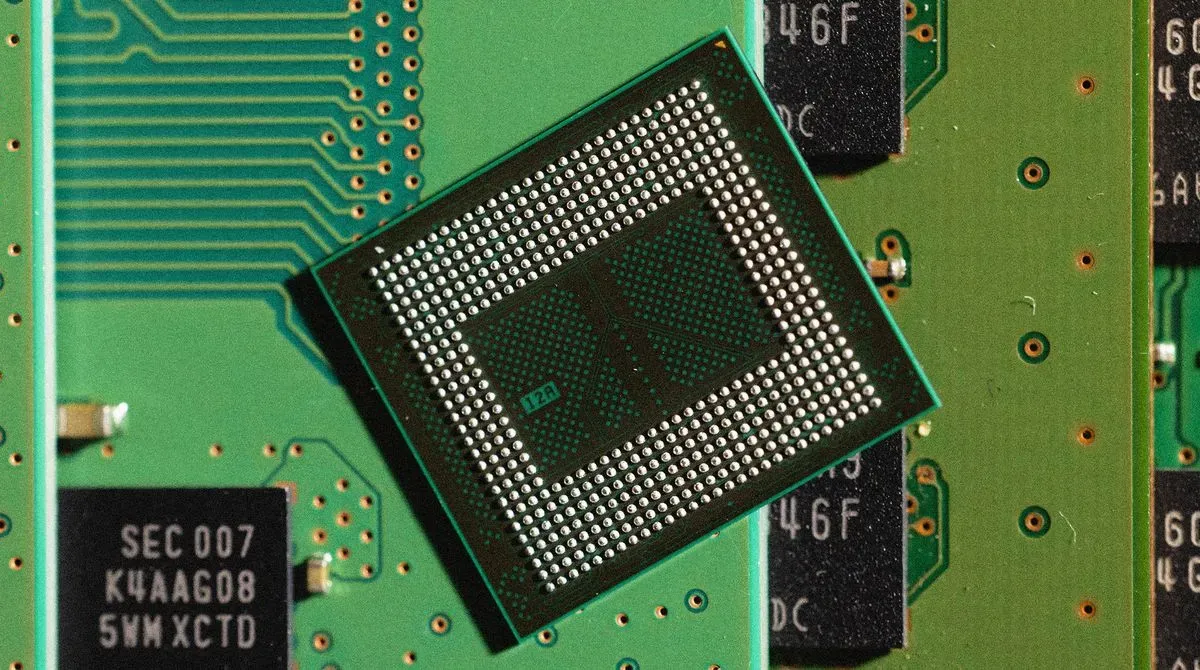
As laptop prices balloon by 30% and memory chip shortages strangle supply chains, two companies are trying to outthink the AI arms race with hardware hacks that could save your pocketbook. The DRAM shortage—driving up electronics prices by 30-60% in 2026—has left manufacturers scrambling.
Citrini Research reported a 40% price spike in Q4 2025 alone, with Dell COO Jeff Clarke admitting, 'Our focus has been to secure the supply... This just didn’t show up.'
Phison’s aiDAPTIV: A Cache for Cost?
Phison’s aiDAPTIV PCIe SSD cache claims to reduce required DRAM from 32GB to 16GB while maintaining AI performance. For mid-sized IT departments, this could mean significant savings—though real-world tests show mixed results.
On-device LLM tasks like text generation see a 12-15% drop in latency compared to pure DRAM setups, but memory-intensive workloads (e.g., multi-threaded code compilation) show no improvement.
The catch? Early SSD caching implementations suffered from ‘death loops’—where failed cache writes caused system freezes—though Phison claims these issues were resolved in 2024 firmware updates.
Ventiva Thermal Gambit
Ventiva’s fanless thermal design frees motherboard space for additional DRAM modules. By eliminating bulky cooling systems, the company claims 32GB laptops can fit 16GB DRAM plus 16GB cache without thermal throttling.
This hybrid approach avoids the risk of SSD caching but requires custom motherboard layouts, limiting compatibility to newer Intel and MSI hardware. Legacy systems with 2019-era chipsets may struggle to support the 64GB/s bandwidth required for LLM workloads.
The Cost-Benefit Tightrope
Switching from 32GB to 16GB DRAM saves $120-150 per laptop, but adds $45-60 for aiDAPTIV hardware. For 500-laptop deployments, this creates a $52,500 net savings—assuming no performance degradation.
However, memory companies are shifting production to high-bandwidth memory for AI data centers, making 16GB DRAM modules increasingly scarce. IT managers report 8-12 week lead times for DDR5-6000 chips, complicating procurement strategies.