The $35 Pet Camera vs the AI-Powered Rivals: Is More Always Better?
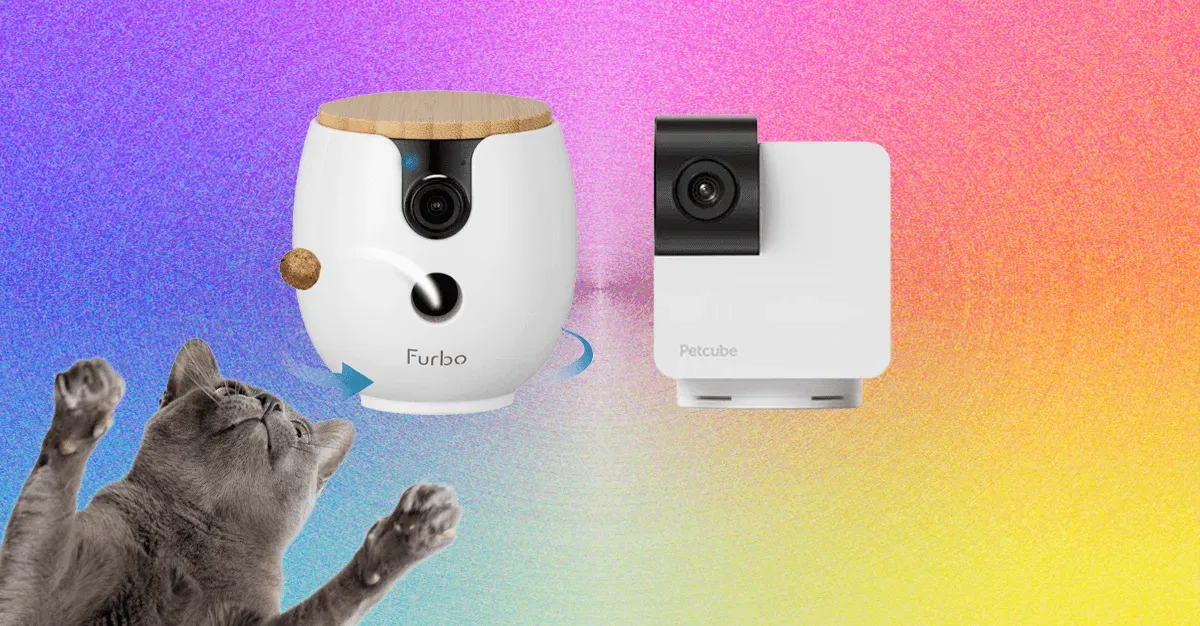
Can a $35 pet camera really outperform its pricier AI-powered rivals? As pet owners increasingly rely on smart devices to monitor their furry companions, the promise of AI-driven features like activity tracking and treat dispensing has created a market split between budget-friendly hardware and subscription-heavy software.
The reality, however, reveals a complex trade-off between upfront costs, cloud storage demands, and the reliability of AI promises.
Devices like the Petlibro Scout market themselves as affordable alternatives to high-end models, but their AI pet tracking capabilities remain unproven without the $15/month Care+ subscription.
Independent tests show a performance gap between vendor claims and real-world results: 85% of reviewed pet cameras require paid plans to unlock full AI functionality, while models like the Enabot Rola struggle with basic pet recognition. One user reported the Enabot Rola's AI features were unreliable, highlighting the risk of overpaying for underperforming technology.
Storage costs further complicate the equation. The EBO Air 2 includes a 32 GB MicroSD card for local recording, while the Furbo Mini shifts the expense to its 'extra storage with paid plan' model.
This creates a hidden cost trap for owners who assume AI-powered cameras eliminate the need for physical storage. Meanwhile, treat dispensers like Closer Pets' model introduce new problems—owners accidentally trigger a 'death loop' of overfeeding due to jarring mechanical responses, raising questions about whether AI improves or disrupts natural pet care routines.
The core issue remains verification: how can pet owners test free vs paid features without long-term financial commitment? Performance metrics like treat dispensing reliability and cloud storage costs must be measured against the 32 GB MicroSD baseline included in many budget models.
As AI pet cameras evolve, the challenge will be balancing innovation with transparency—proving that higher price tags actually translate to better results, not just more subscriptions.