The 2026 Storage Showdown: Can $150 HDDs Outlast $600 SSDs for the Average User?
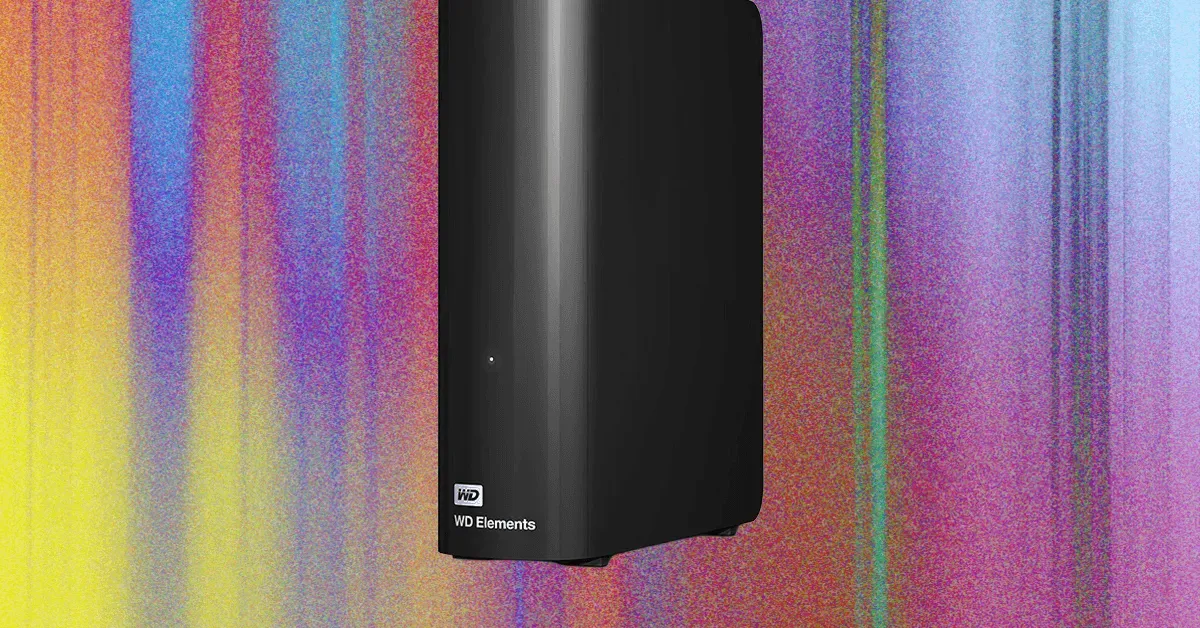
While AI tools promise to streamline data management, the real battle for storage dominance continues in silicon: Can $600 SSDs outperform $150 HDDs for the average user? The answer depends on who you ask—photographers, videographers, and frequent travelers all face different tradeoffs when choosing between external drives.
Western Digital Elements (up to 20TB at $150-$800) and Seagate One Touch (4TB at $125) offer budget-friendly options for casual users, but their mechanical design limits sequential read/write speeds to 100-150 MB/s. In contrast, the LaCie Thunderbolt 5 (4TB at $600) achieves blistering 5,787 MB/s read and 5,188 MB/s write speeds—nearly five times faster than the Crucial X9 Pro’s 1,110 MB/s.
However, these high-speed drives often require Thunderbolt 5 docks and specialized cables, which can add $200-$300 to the total cost.
Portability vs. performance becomes a critical decision point. The Samsung T7 Shield (IP65-rated) weighs 130g and fits in a coat pocket, making it ideal for field photographers.
Yet videographers editing 8K footage demand drives like the LaCie Thunderbolt 5, where every second of load time matters. Price per TB also shifts dramatically: a 20TB WD Elements costs $40/TB, while the 4TB LaCie Thunderbolt 5 runs $150/TB—over three times the cost.
Compatibility issues persist. USB-C remains the most universally supported interface, but Thunderbolt 5 drives often require firmware updates to avoid 'death loops'—a hardware failure mode where the drive becomes unresponsive during large file transfers.
Most drives ship with free desktop apps for backup automation, though these tools rarely integrate with cloud storage services.