


Tesla is betting its future on driverless tech — even as regulators close in and competitors like Waymo stumble into legal trouble.
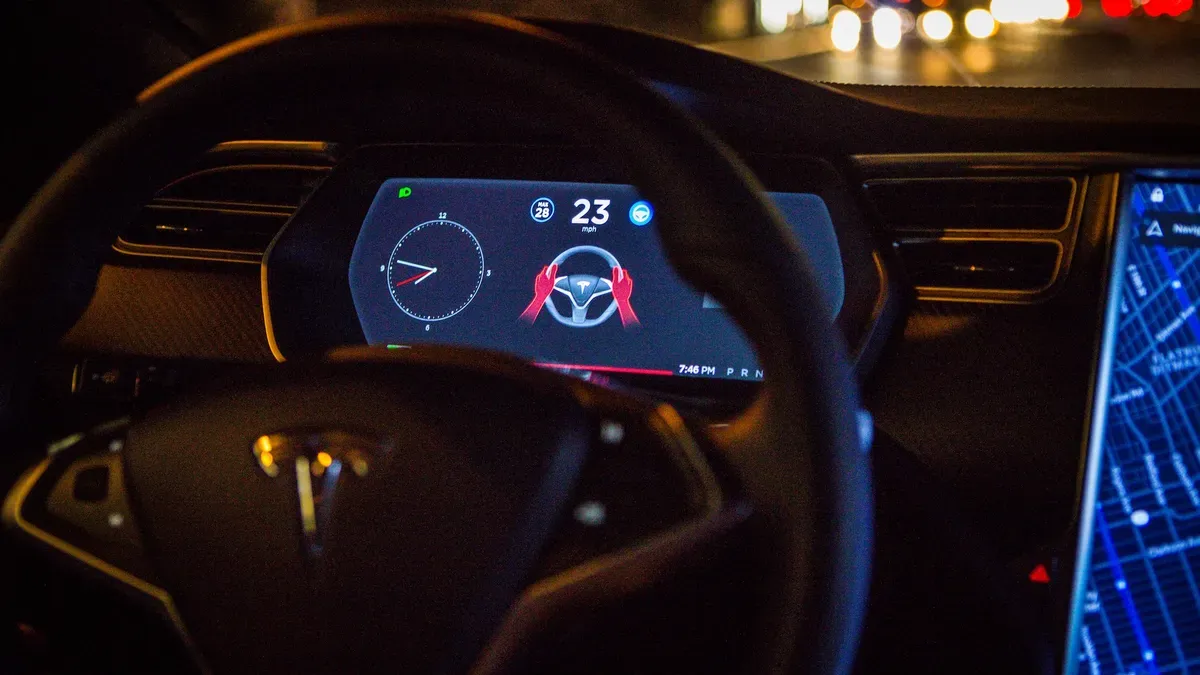
The company has discontinued its Autopilot system, which included traffic-aware cruise control and Autosteer, and is now pushing its Full Self-Driving (FSD) subscription model. This shift coincides with a 30-day suspension of Tesla’s California manufacturing and dealer licenses due to a court ruling over deceptive marketing claims about Autopilot and FSD.
Meanwhile, Tesla is testing driverless robotaxi rides in Austin without human safety drivers, relying on chase vehicles for monitoring. This aggressive approach contrasts with Waymo’s recent struggles, including an NTSB investigation for illegally passing stopped school buses in multiple states and launching robotaxi service in Miami amid regulatory scrutiny.
Zipline’s autonomous drone delivery service, now valued at $7.6B after securing $600M in funding, represents a contrasting mobility play as it expands to Houston and Phoenix. Tesla’s own AI ambitions have pivoted with the revived Dojo3 AI chip project, now focused on "space-based AI compute" rather than self-driving training.
Independent verification of Tesla’s claims remains limited, though Alex Roy completed a 3,081-mile cross-country trip using Tesla FSD v14.2.2.3, with the system handling all driving and parking. This test underscores Tesla’s bold vision but highlights the absence of third-party validation in the race toward driverless dominance.