Taiwan’s $250B Bet to Revive U.S. Chip Manufacturing — Will It Be Enough?
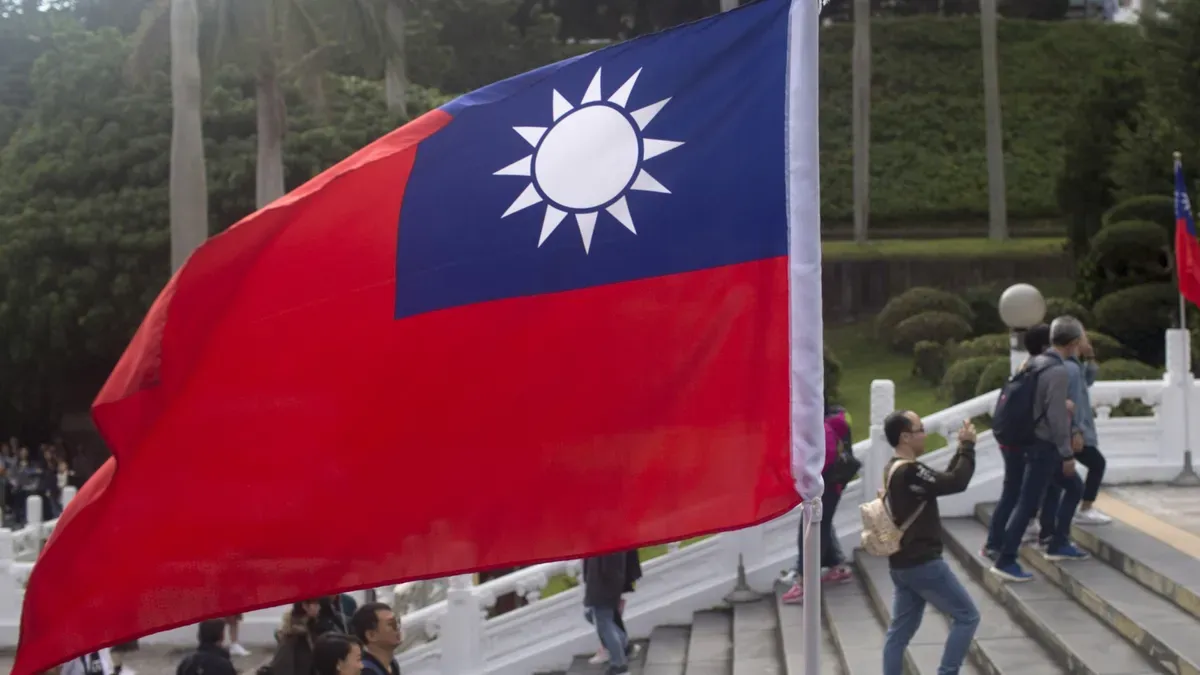
Taiwan pledges $250 billion in U.S. semiconductor investments as the Trump administration tightens trade policies. Taiwanese semiconductor companies will direct funds toward U.S. manufacturing and innovation through direct investments and credit guarantees.
The U.S. will reciprocate with investments in Taiwan’s semiconductor, defense, AI, telecom, and biotech sectors, though no dollar amount has been specified.
The Trump administration announced 25% tariffs on advanced AI chips during trade negotiations. This move positions the tariffs as both a bargaining chip and a potential disruption to global trade.
The U.S. currently produces only 10% of global semiconductors, a figure deemed a 'significant economic and national security risk' in an official proclamation. The deal spans production and innovation in semiconductors, energy, and AI, according to the Department of Commerce.
The Department of Commerce noted the strategic implications of the investment scale versus the vague U.S. response.
The 10% domestic production rate contrasts sharply with Taiwan’s control of over 50% of global semiconductor manufacturing. The 25% AI chip tariffs could reshape trade dynamics but remain unanchored to specific U.S. investment figures.