


Dietary Guidelines Under Fire for Favoring Meat and Dairy Over Science
Experts criticize the 2025 Dietary Guidelines for Americans for prioritizing meat and dairy over plant-based foods, citing industry influence and public health risks.

Your source for expert insights into the future of healthcare. Factide delivers in-depth coverage of biotechnology, medical engineering, and the AI-driven innovations transforming global health outcomes with precision and speed.

Experts criticize the 2025 Dietary Guidelines for Americans for prioritizing meat and dairy over plant-based foods, citing industry influence and public health risks.

A survey of 207 atopic dermatitis patients reveals 80.2% report climate factors affecting their condition, yet only 36.7% say clinicians address these concerns. The study highlights a gap in climate-health discussions in dermatology.

Elyx Life, a Singapore-based longevity service, introduces an AI-orchestrated model for integrated preventive care. Founders emphasize systemic health optimization through concierge coordination and personalized diagnostics.

Radio observations of SN 2023fyq reveal a dying star's mass-loss history in its final decade, offering new insights into stellar death throes.

Astronomers using the FAST telescope identified a binary star system as the source of a repeating fast radio burst, challenging existing theories about these cosmic phenomena.

A 27-year study finds vegetables lower dementia risk while water and meat increase it. Researchers suggest re-examining drinking water nitrate limits.
United Therapeutics' Phase 1 trial of bioengineered liver cells showed 98% survival in acute liver failure patients, with no serious adverse events reported.
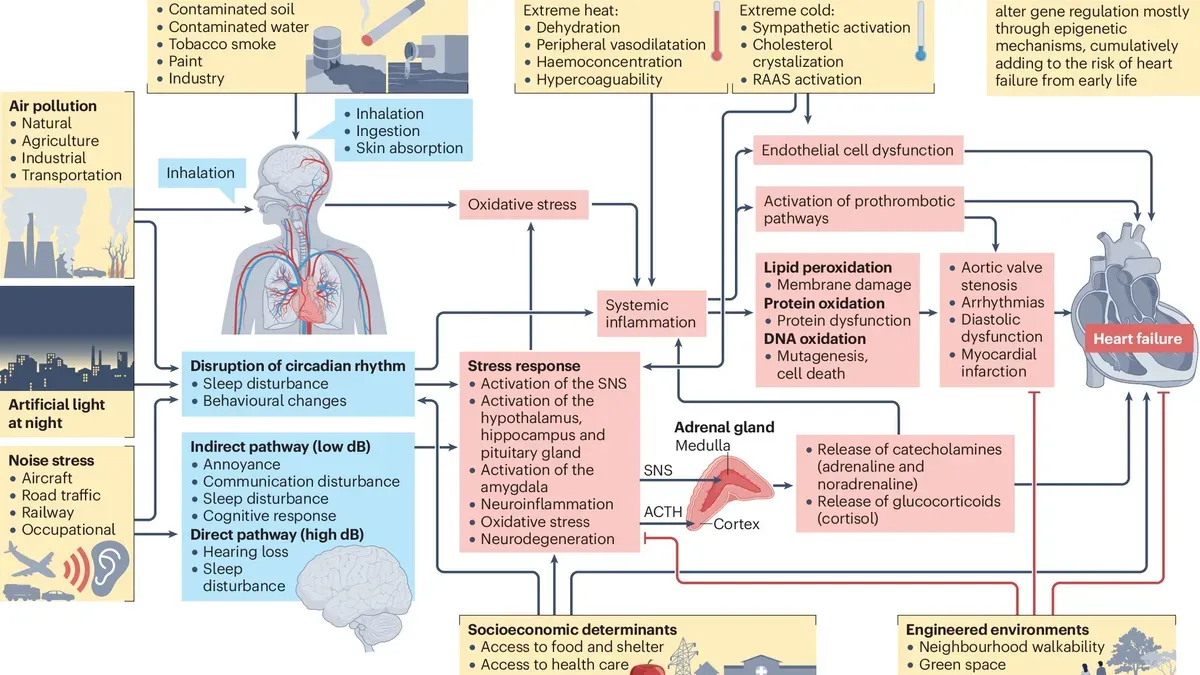
Environmental factors like air pollution and noise contribute significantly to heart failure risk, with socioeconomic disparities exacerbating health outcomes. A new review highlights the need for integrated prevention strategies.
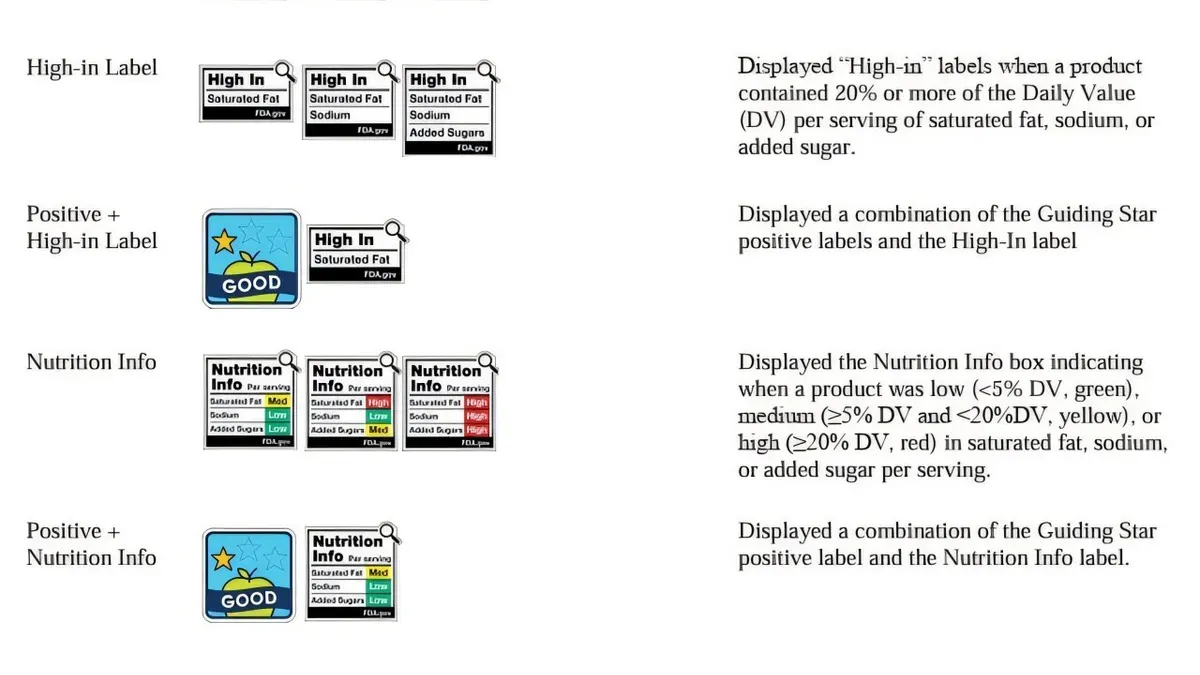
A new study suggests FDA's proposed nutrition label may widen health gaps, with significant comprehension disparities between high- and low-literacy consumers.

Higher midlife insulin levels may predict earlier and longer menopausal hot flashes, according to a University of Victoria study analyzing SWAN data. Findings highlight a potential link between metabolic factors and symptom timing.

The 2025–2030 U.S. Dietary Guidelines bypassed standard scientific processes, sparking debates over politicization and industry influence in nutrition science.

Explore research on creatine's potential benefits for women, including muscle performance, cognitive support, and demographic-specific considerations.