


TurboQuant Squeezes LLMs to 3 Bits, Claims Zero Accuracy Loss
Google Research says its new TurboQuant family can squeeze key-value caches down to 3 bits without retraining or accuracy drops. The catch: every benchmark comes from Google’s own labs.


Google Research says its new TurboQuant family can squeeze key-value caches down to 3 bits without retraining or accuracy drops. The catch: every benchmark comes from Google’s own labs.
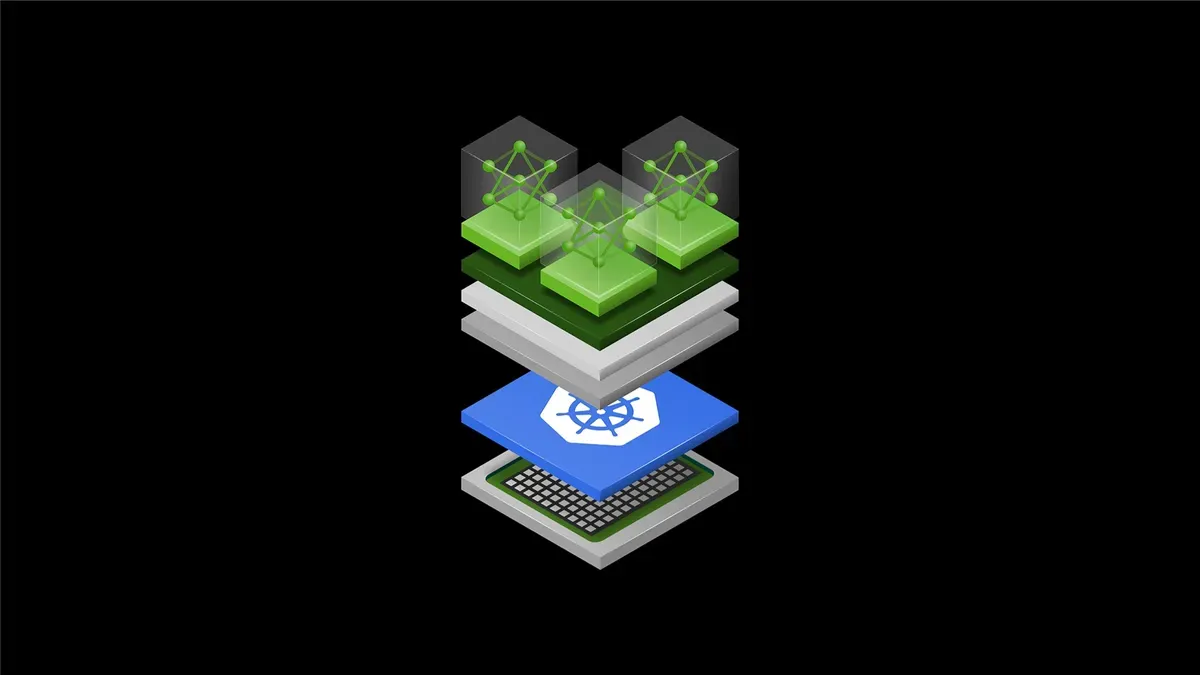
NVIDIA handed control of its GPU scheduling software to an open-source foundation at KubeCon Europe. Eight companies including AWS, Google Cloud, and Microsoft are contributing. The tools are free and available today.
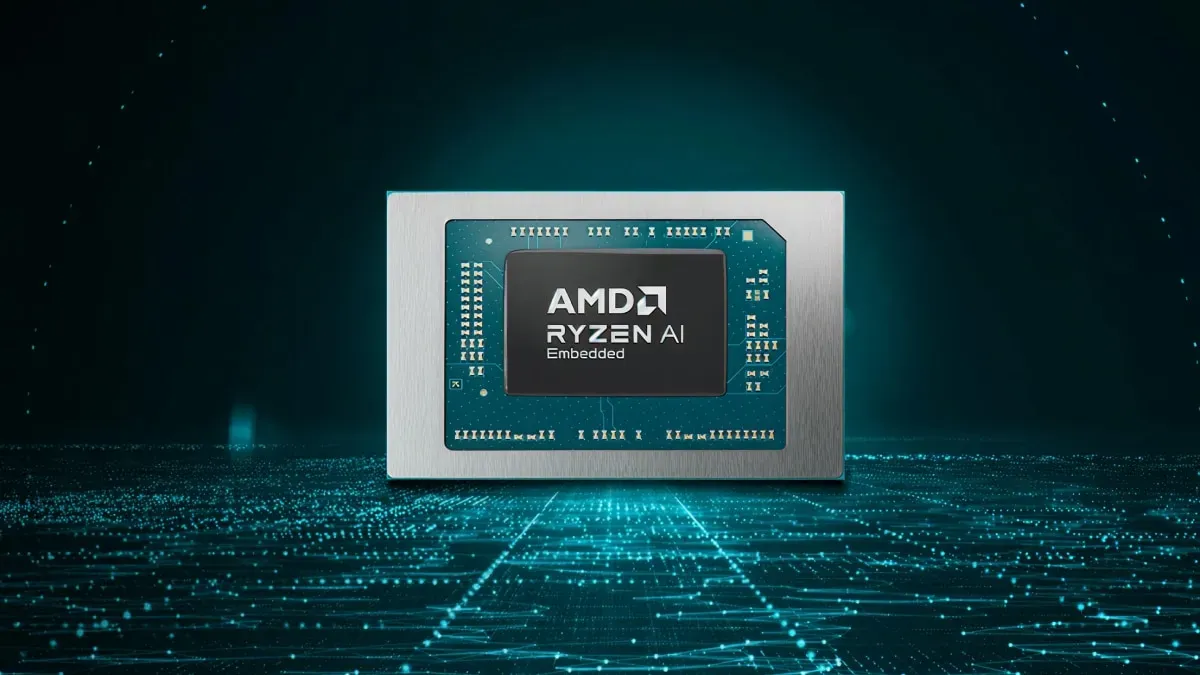
AMD’s 80-TOPS Ryzen AI Embedded P100 claims one-chip AI for factory robots, but July 2026 ship dates and missing prices leave room for rivals.
Anthropic's new plug-ins automate enterprise workflows without coding, but technical limitations and local saving pose challenges for teams.

Anthropic's Claude Code v2.1.16 introduces persistent Tasks for enterprise project management, enhancing reliability and collaboration with dependency graphs and filesystem storage.

Anthropic's Claude Cowork expands to teams, offering persistent AI workspaces with features like live screenshots and project mentions—though file transferability remains uncertain.

Anthropic appoints former Microsoft India leader Irina Ghose to drive local language AI adoption in India's $200K/month market.

MongoDB's Voyage 4 models tackle enterprise AI challenges with advanced search, outperforming Google and Cohere. Open-weight options and multimodal support redefine data retrieval.

Anthropic’s insurance partnership and market share growth challenge Google and OpenAI in the enterprise AI race.

Claude Code 2.1.0 transforms from coding assistant to agent infrastructure with enterprise features like context: fork sub-agents and wildcard permissions.

Brex’s CTO claims AI can automate 99% of finance tasks via an Agent Mesh. How can finance managers verify these claims?

Natural language interfaces are replacing APIs in enterprise workflows, reducing integration costs and training time. 63% of organizations already use generative AI for text outputs.