


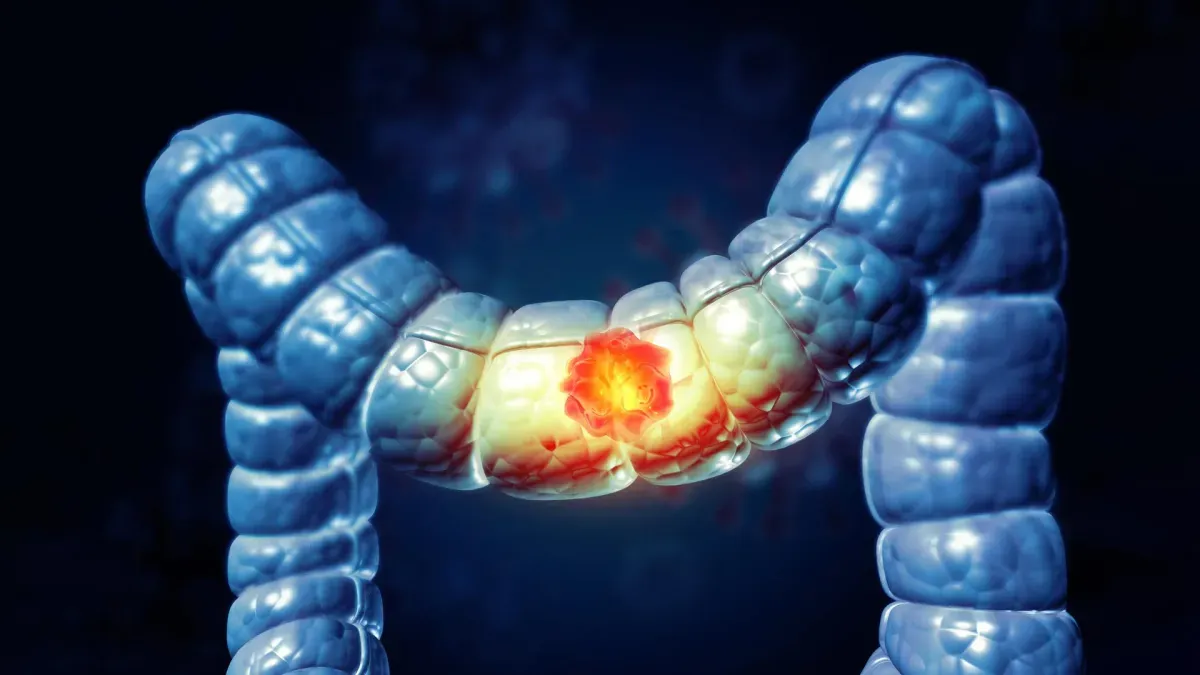
Chronic inflammation may be silently transforming the colon into a rigid landscape that fuels early-onset colorectal cancer in younger adults. A recent study found that colon tissue from early-onset CRC patients exhibits significantly higher stiffness compared to older patients, even in noncancerous regions.
This biomechanical shift, driven by collagen remodeling and mechanotransduction pathways, appears to accelerate cancer cell proliferation in laboratory and 3D organoid models.
The research team, supported by the NIH and other foundations, analyzed tissue samples from 14 early-onset and 19 average-onset CRC cases. Using advanced biomechanical assays, they demonstrated that stiffer extracellular matrices—characterized by cross-linked collagen fibers—activated YAP/TAZ signaling pathways, which are known to promote tumor growth.
"This is the first study to highlight the key role of biomechanical forces in the pathogenesis of early-onset CRC," noted Jacopo Ferruzzi, Ph.D., co-author of the work.
Organoid experiments further confirmed that mechanical tension in the tissue microenvironment enhanced epithelial cell migration and metabolic reprogramming. However, the authors caution that the small sample size limits generalizability.
Emina Huang, M.D., M.B.A., emphasized the clinical potential: "We consider this study a significant advancement toward identifying those at risk of early-onset CRC and finding new ways to treat them."
Early-onset CRC now accounts for 12% of U.S. diagnoses, with cases rising among individuals under 50. The findings suggest that monitoring tissue stiffness through noninvasive imaging could improve early detection strategies. Yet, the study does not establish causality—correlation between stiffness and cancer progression remains to be validated in larger cohorts.