Space Station Viruses Show Enhanced Bacterial Killing in Ground Tests
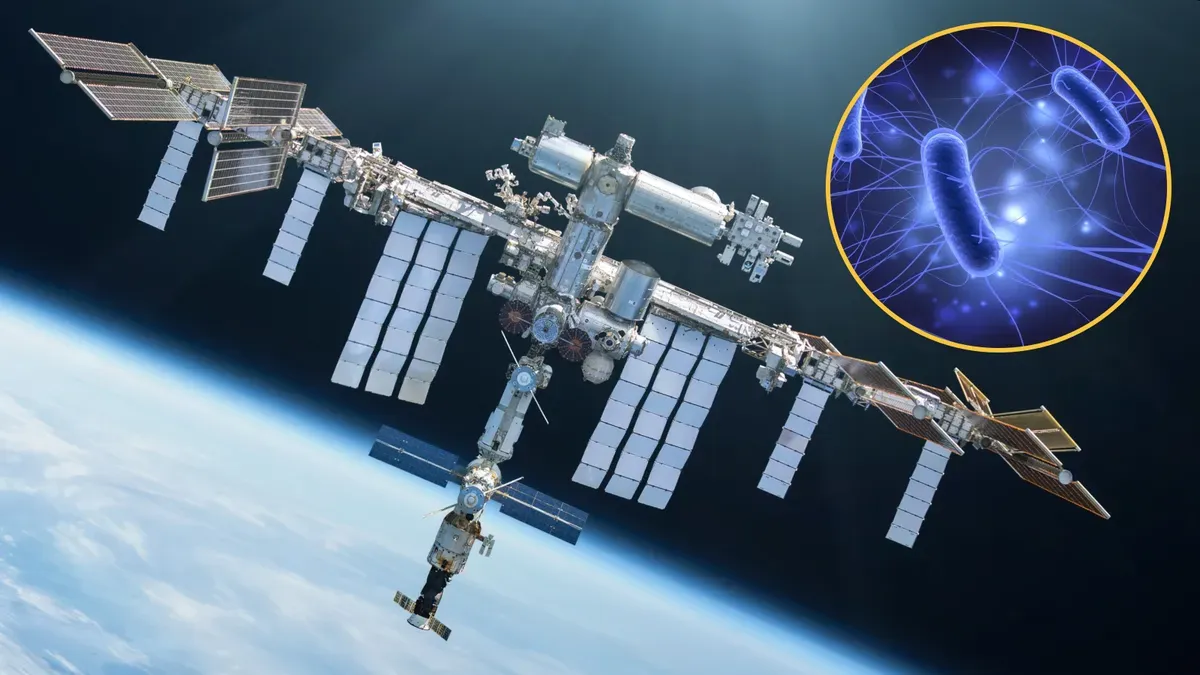
Space-evolved viruses returned to Earth with an unexpected advantage: killing antibiotic-resistant bacteria more effectively than their terrestrial counterparts. A study aboard the International Space Station (ISS) revealed that T7 phages evolved distinct genetic mutations in microgravity, enhancing their ability to infect E. coli compared to Earth-based controls.
The findings, published in a peer-reviewed journal, highlight the potential of space-based environments to accelerate phage adaptation for medical applications.
Researchers identified 373 phage and 123 bacterial mutations specific to the ISS environment. Srivatsan Raman, a lead investigator, noted, "We were not expecting that the [mutant] phages that we identified on the ISS would kill pathogens on Earth."
The space-adapted phages demonstrated increased effectiveness against antibiotic-resistant E. coli strains causing urinary tract infections, but not across all bacterial pathogens.
The study controlled for variables such as temperature and fluid dynamics, isolating the effects of microgravity on phage evolution.
Charlie Mo, a collaborator, stated, 'These results show how space can help us improve the activity of phage therapies.' However, the cost-benefit analysis of space-based experiments remains under scrutiny, with Mo acknowledging the need for 'a clear economic justification for orbital phage research.'
Genomic analysis revealed microgravity altered phage infection kinetics, requiring adaptations in receptor-binding efficiency.
While the 99.9% efficacy claim referenced in some popular reports is not supported by this study, the observed 20% increase in phage activity against specific E. coli strains suggests a promising, albeit narrow, application for space-evolved phages in combating antibiotic resistance.