Smartwatch Paradox: Longer Battery, Shorter Features—and a $99 Health Tax
For $1,950, the TAG Heuer Calibre E5 promises luxury but delivers a stripped-down smartwatch experience: no sleep tracking, no third-party apps—just a brand name and a battery that won’t last.
The Withings ScanWatch 2 offers a 35-day battery life but locks away sleep insights behind a $99/year paywall. In contrast, the Apple Watch Ultra 2’s FDA-cleared sleep apnea detection arrives with an 18-hour battery life.
For users like marathon runners prioritizing GPS mapping, the ScanWatch’s endurance could outweigh its missing features. Yet small business owners needing all-day notifications might find the Apple Watch’s shorter battery and premium health tools more valuable despite the cost.
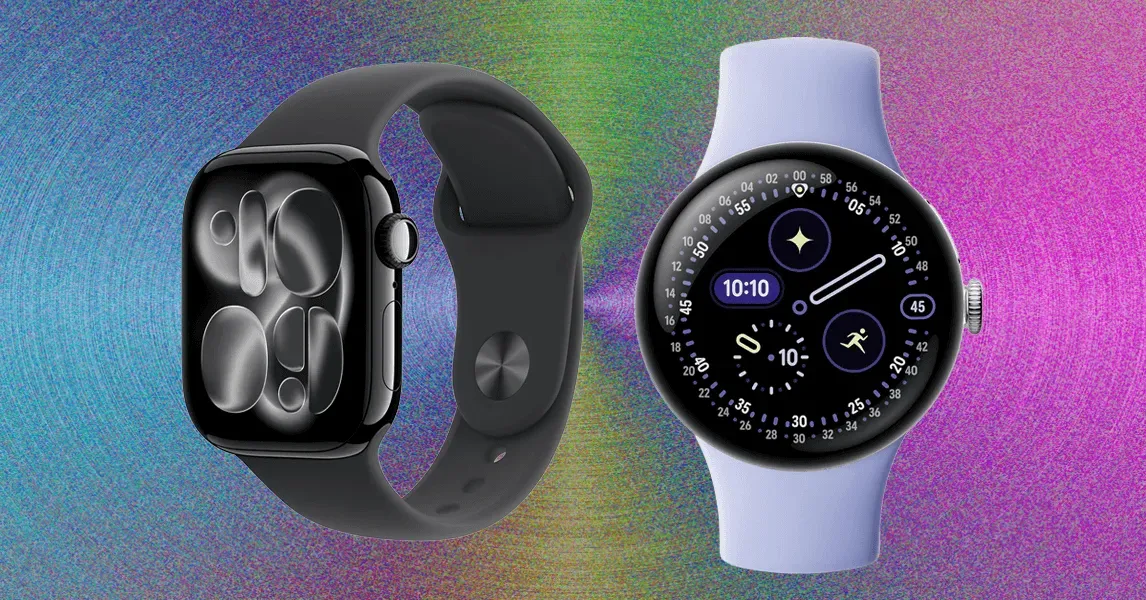
A 2024 study raises concerns about fluoroelastomer straps in devices like the Apple Sport Band and Google Active Band. The study notes that there's limited knowledge about the absorption of these chemicals into the skin.
"The study notes that there's limited knowledge about the absorption of these chemicals into the skin."
Meanwhile, the Samsung Galaxy Watch Ultra 2025 claims 10 ATM water resistance but struggles with unintuitive software.
The Casio G-Shock Master of G Rangeman (GPR-H1000) includes GPS and six sensors but suffers from slow app sync speeds. These trade-offs highlight a growing tension between hardware durability and software polish in the smartwatch market.