Sleep Tech Showdown: From Wearables to Sprays, What Actually Works?
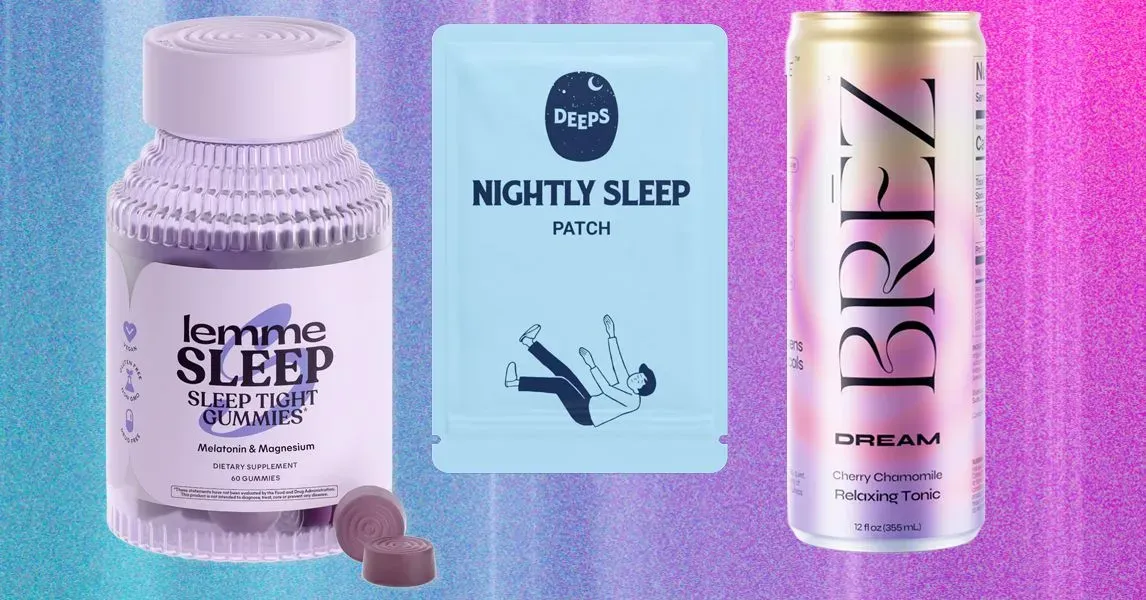
Tech’s latest sleep aids promise a good night’s rest, but not all wearables are created equal—and some might leave you counting sheep.
Users report mixed experiences with emerging sleep technologies. One tester described discomfort with a product’s design: “I found the faux leather material to be way too hot, sticky, and uncomfortable, and I woke up feeling very much Not Grounded.”
Meanwhile, the Absorption Company Sleep Powdered Drink and BonPatch Sleep Wearable Patches—both added in 2026 updates—have entered the market, but their effectiveness remains unproven.
ImmunizeLabs’ DeepSleep Formula has drawn attention for its $129 price tag and lack of ingredient transparency. A user noted: “I felt sleepy and slept deeply throughout testing, but the pills are gigantic and felt in my esophagus.”
Physician assistant Hannah Sagedy warned of risks: “There is a potential for both dependence and tolerance to sleep medication—these medications are intended to be for short-term use.”
Common over-the-counter ingredients like melatonin, magnesium, and L-theanine remain popular for their affordability and accessibility. However, products like the $130 Earthing Pillow Cover have been criticized for safety concerns and discomfort.
Kona Sea Salt’s sleep drops also fell short: “The drops supposedly quickly absorb into the body… but didn’t deliver solid, consistent sleepy results.”