


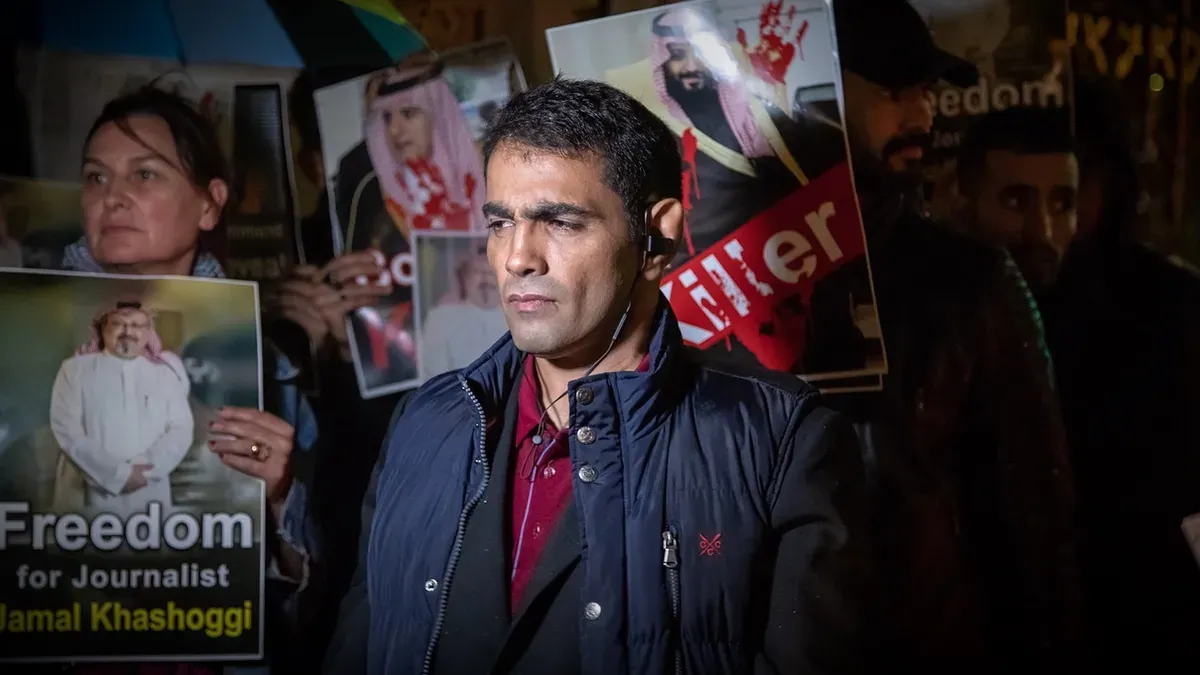
A Saudi satirist’s legal victory exposes the lethal intersection of state surveillance and digital warfare, as courts grapple with holding governments accountable for hacking tools sold by private firms.
In a landmark ruling, the UK High Court awarded £3 million in damages to the activist after finding his phone was hacked using Pegasus spyware, a tool linked to the Saudi government.
Justice Pushpinder Saini wrote: "There is a compelling basis for concluding that [al-Masarir’s] iPhones were hacked by Pegasus spyware which resulted in the exfiltration of data from those mobile phones."
The court attributed the hacking to Saudi agents, who also physically assaulted the activist in 2018. The spyware, developed by NSO Group, is marketed as a "government-grade" solution but has been repeatedly weaponized against critics.
Saudi Arabia’s claim of state immunity was rejected by the court, marking a departure from its earlier legal defense in the Jamal Khashoggi case. The ruling underscores the growing legal scrutiny of surveillance tools and the companies that sell them.
Notably, the court did not attribute the spyware’s operation to artificial intelligence, focusing instead on its direct use as a state-sanctioned instrument of coercion.
This case highlights the legal and technical complexities of holding states and private firms accountable for digital surveillance.
The absence of AI-related claims in the spyware’s operation suggests the technology’s dangers lie in its deployment—not its design.
For small business owners and non-technical users, the case serves as a stark reminder of the real-world consequences of unchecked surveillance tools.