Rubin Observatory's Automated Alert System Tracks Millions of Cosmic Events Daily
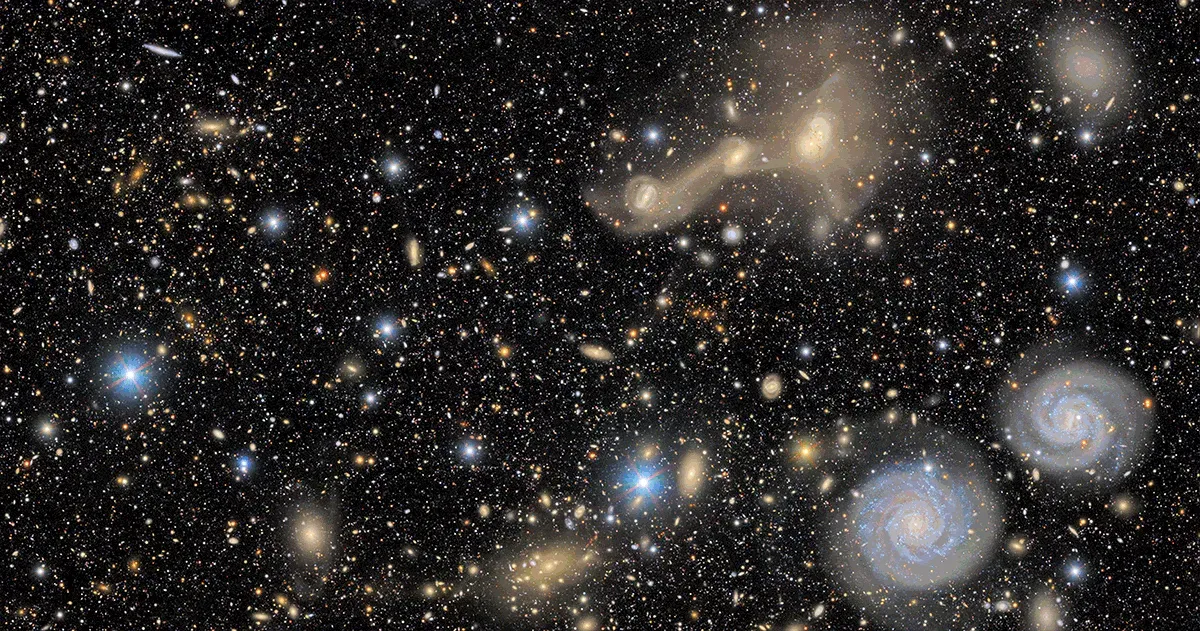
Astronomers are now receiving real-time cosmic alerts from the universe’s most advanced observatory. The Vera C. Rubin Observatory’s automated alert system began distributing 800,000+ nightly alerts on February 24, marking a milestone in transient event detection.
By comparing new images to a pre-built reference sky template, the system identifies phenomena such as supernovae, asteroids, and other rapidly changing celestial objects.
“We can detect everything that changes, moves and appears,” said Yusra AlSayyad of Princeton University, Rubin’s deputy associate director for data management.
The system delivers metadata and low-resolution images within minutes of observation, enabling rapid follow-up by both public and scientific users. Customizable filters allow users to prioritize alerts by object type and brightness.
Hsin-Fang Chiang of SLAC National Accelerator Laboratory emphasized the system’s unprecedented scale and speed. “The alerts are a critical tool for studying the dynamic universe,” she stated.
The collaboration between SLAC and Princeton teams has streamlined data processing, with nightly alert volumes projected to exceed millions as the system scales.
Researchers caution that while the system’s capabilities are transformative, further refinement will be needed to handle the growing data load. The current 800,000 alert threshold is expected to rise significantly in coming months.