


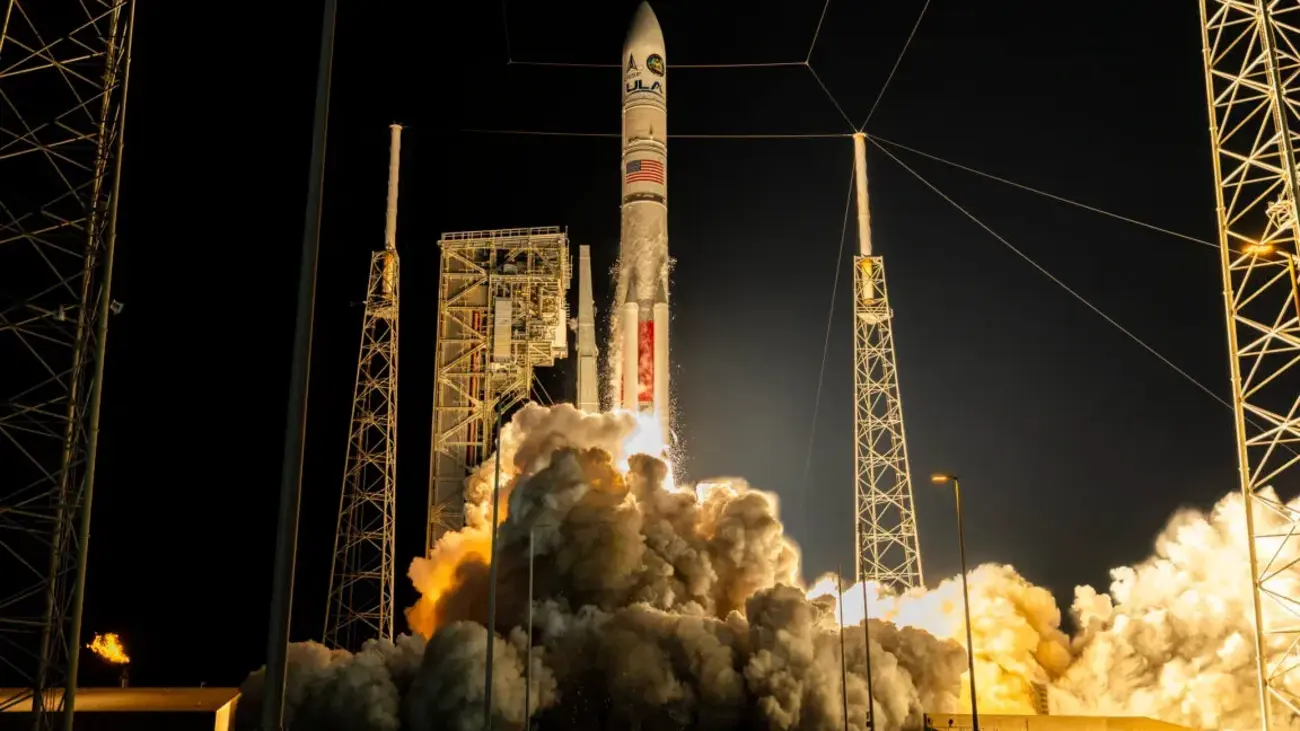
A study published Thursday reveals that commercial spaceflight reentries are injecting measurable pollutants into Earth's upper atmosphere, raising urgent questions about unregulated industrial activity in a globally shared environmental zone.
The research team analyzed a pollution plume from a SpaceX Falcon rocket disintegration on Feb. 19, 2025, detecting lithium in the upper atmosphere (80-110 km altitude). Lead author Robin Wing of the Leibniz Institute of Atmospheric Physics described the event as 'visually surprising in scale.'
The study identifies the 'Ignorosphere' a region where rocket emissions could accumulate, as a potential threat to stratospheric ozone and climate processes.
Atmospheric scientist Laura Revell projected that under high-launch scenarios, rocket emissions might erase gains in ozone recovery by 3%. A 2024 UN University report warned that commercial space activity growth outpaces voluntary guidelines, risking unregulated pollution.
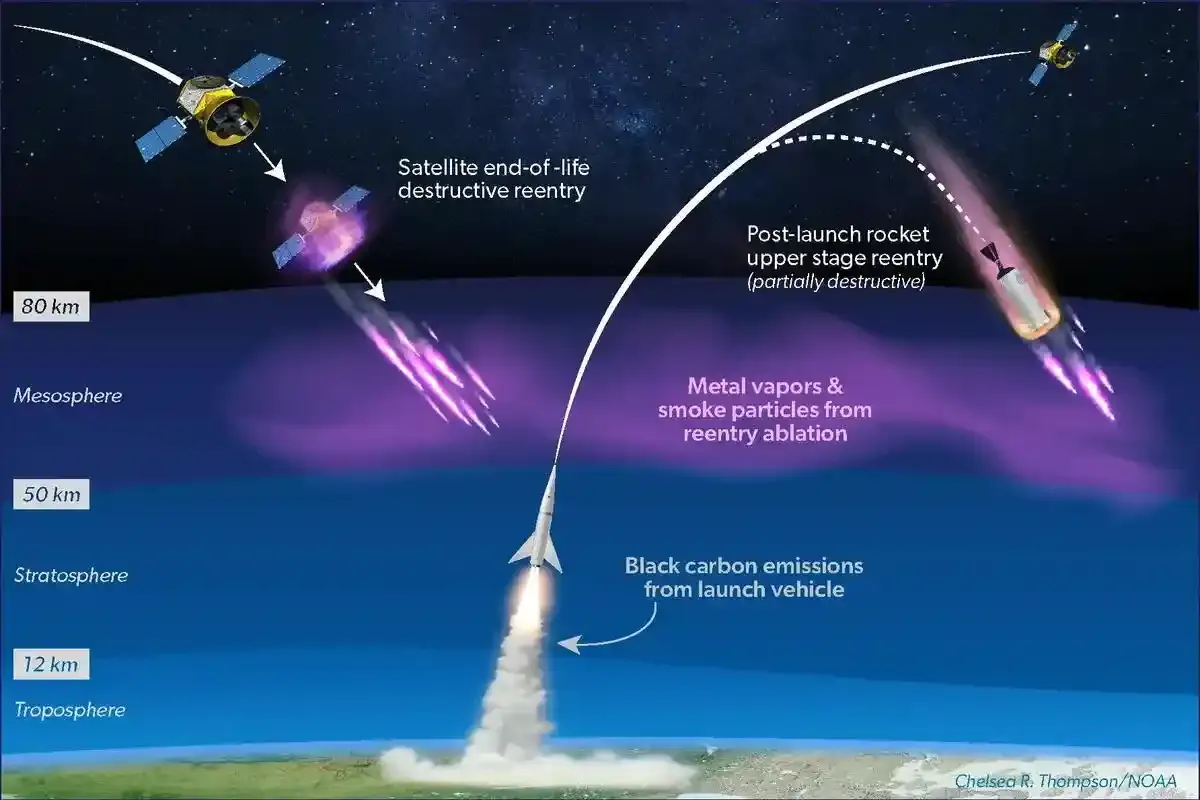
Projections suggest 60,000 satellites in orbit by 2040, with reentries injecting up to 10,000 metric tons of aluminum oxide particles annually into the upper atmosphere.
Researchers at the 2025 European Geosciences Union conference highlighted space industry activity as a new source of atmospheric pollution, comparable to wildfire impacts. Atmospheric physicist Leonard Schulz cautioned, 'If you put large amounts of catalytic metals in the atmosphere, I immediately think about geoengineering.'
The team notes that while current models estimate a 1.5°C warming potential from satellite reentries, further atmospheric modeling is required to confirm these projections.