


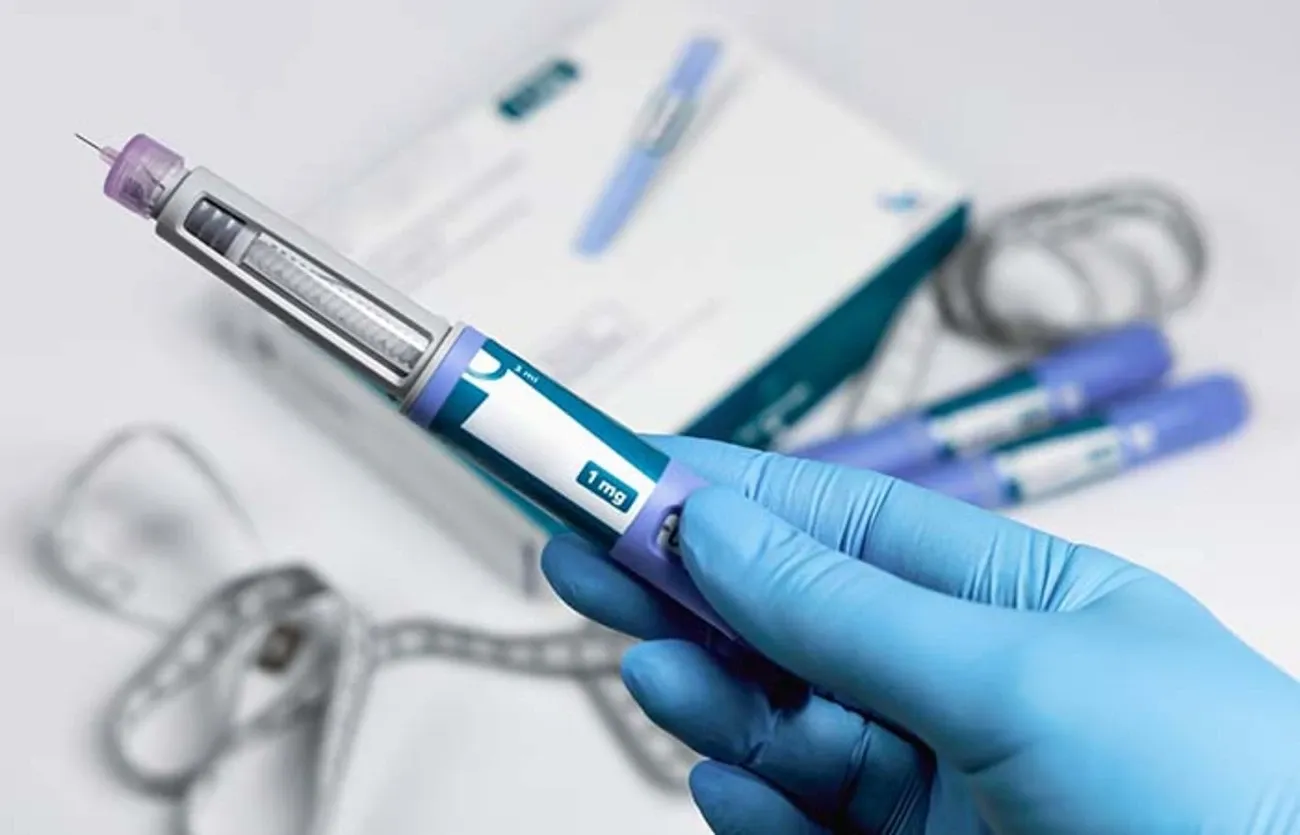
Regulatory agencies in the UK and Brazil have issued warnings linking popular GLP-1 drugs to rare but severe cases of acute pancreatitis, sparking a debate over their safety.
GLP-1 receptor agonists, a class of medications used to treat obesity and type 2 diabetes, have been associated with 19 reported deaths in the UK and six in Brazil, according to voluntary adverse event databases.
The UK’s Medicines and Healthcare products Regulatory Agency (MHRA) reported 1,300 pancreatitis cases among GLP-1 users between 2007 and 2025, while Brazil’s health authority recorded 145 cases from 2020 to 2025.
UK MHRA chief Alison Cave emphasized that the risk remains very small, noting that the absolute number of cases is dwarfed by annual hospitalizations for pancreatitis unrelated to medication.
"It’s very challenging to determine whether the cases of pancreatitis were directly caused by the drugs," Cave stated, underscoring the limitations of observational data from voluntary reporting systems. Brazil’s health ministry echoed this caution, citing methodological challenges in isolating drug effects from confounding variables such as comorbidities or polypharmacy.
Clinical evidence remains inconclusive. A 2025 meta-analysis suggested a slight increase in pancreatitis risk among GLP-1 users, but other randomized trials found no significant association.
Endocrinologist Jaime Almandoz, a co-author of the meta-analysis, called for 'vigilant monitoring and rigorous studies' to clarify the relationship. Beverly Tchang, a pharmacovigilance expert, added; 'It’s hard to sort out the noise from the real signal,' highlighting the inherent uncertainty in post-market surveillance.