


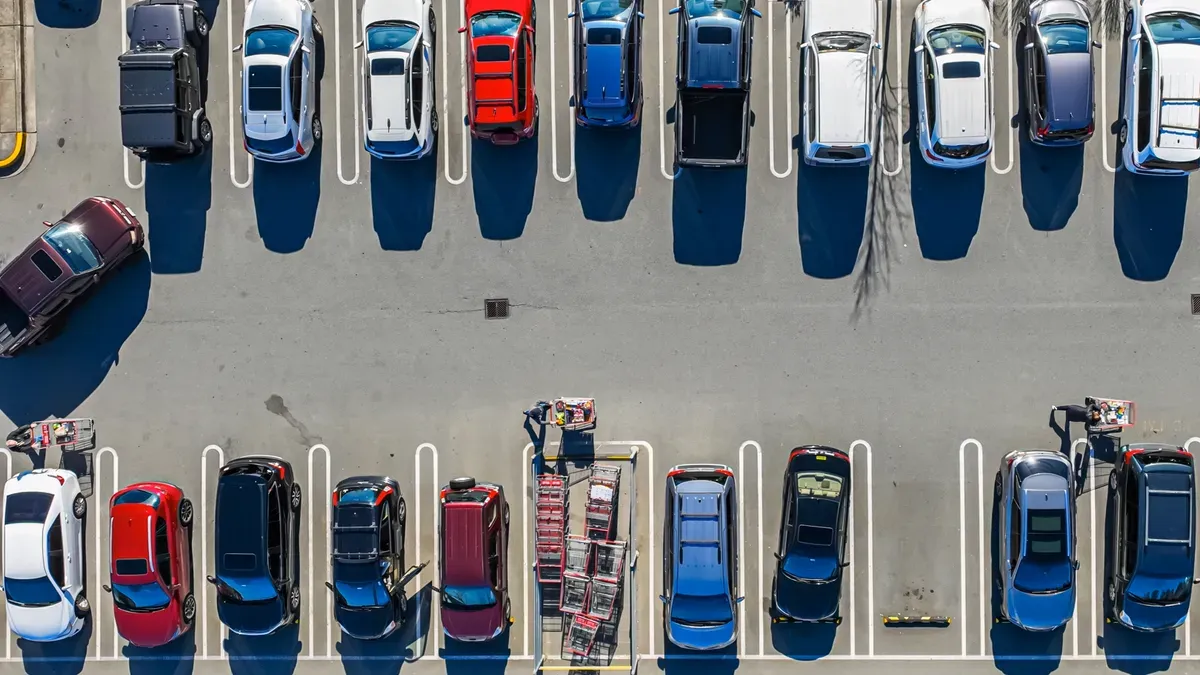
Drivers who’ve ever circled a city block for parking, only to arrive late and sweaty, might finally get a lifeline from MIT’s parking-prediction algorithm.
MIT researchers developed a parking navigation system that optimizes travel time by factoring in parking availability, proximity, and walking distance.
Simulated tests in Seattle showed up to 66% time savings in congested areas, reducing travel time by ~35 minutes compared to waiting for the closest lot. The system uses dynamic programming to model parking probabilities, incorporating user behavior like spillover effects from other drivers.
Crowdsourced data (e.g., app-reported availability) could replace sparse sensor networks, with a 7% error rate in simulations. Cameron Hickert, lead author, noted:
This frustration is real and felt by a lot of people, and the bigger issue here is that systematically underestimating these drive times prevents people from making informed choices.
The team, including Sirui Li, Zhengbing He, and Cathy Wu, published their work in Transactions on Intelligent Transportation Systems. Wu emphasized that small changes in routing logic can yield significant travel-time reductions.