








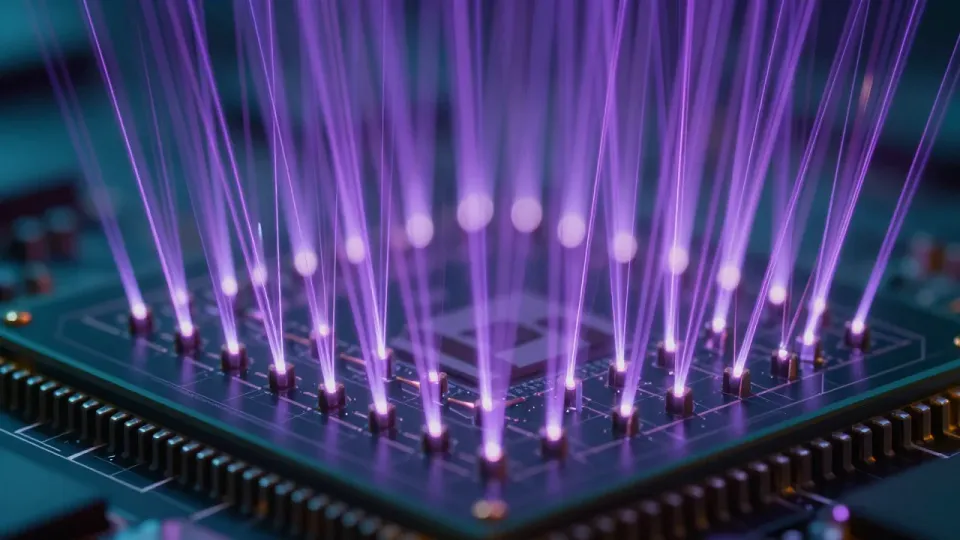
Intel’s Panther Lake: A Processor That Could Finally Beat Apple’s M5
Intel’s Panther Lake challenges Apple M5 with multi-core lead, 20-hour battery life, and XeSS gaming. Can it close the single-core gap?



Intel’s Panther Lake challenges Apple M5 with multi-core lead, 20-hour battery life, and XeSS gaming. Can it close the single-core gap?

Bitcoin's fate may hinge on Fed communication, not just rate decisions, as liquidity metrics and real yield expectations take center stage.

Hackers exploit Windows tools and public infrastructure with a fake CAPTCHA attack chain that bypasses antivirus detection using LOLBins, steganography, and Google Calendar command-and-control.

North Korean hackers are using AI-assisted malware to bypass email filters and target blockchain developers through Google ad click redirection systems.

XRP faces a paradox as panic selling clashes with institutional buying. On-chain data and stablecoin liquidity suggest structural support, but derivatives volatility remains a wildcard.

Astronomers propose chaotic early universe conditions enabled rapid black hole growth via super Eddington accretion, challenging assumptions about 'heavy seed' origins.
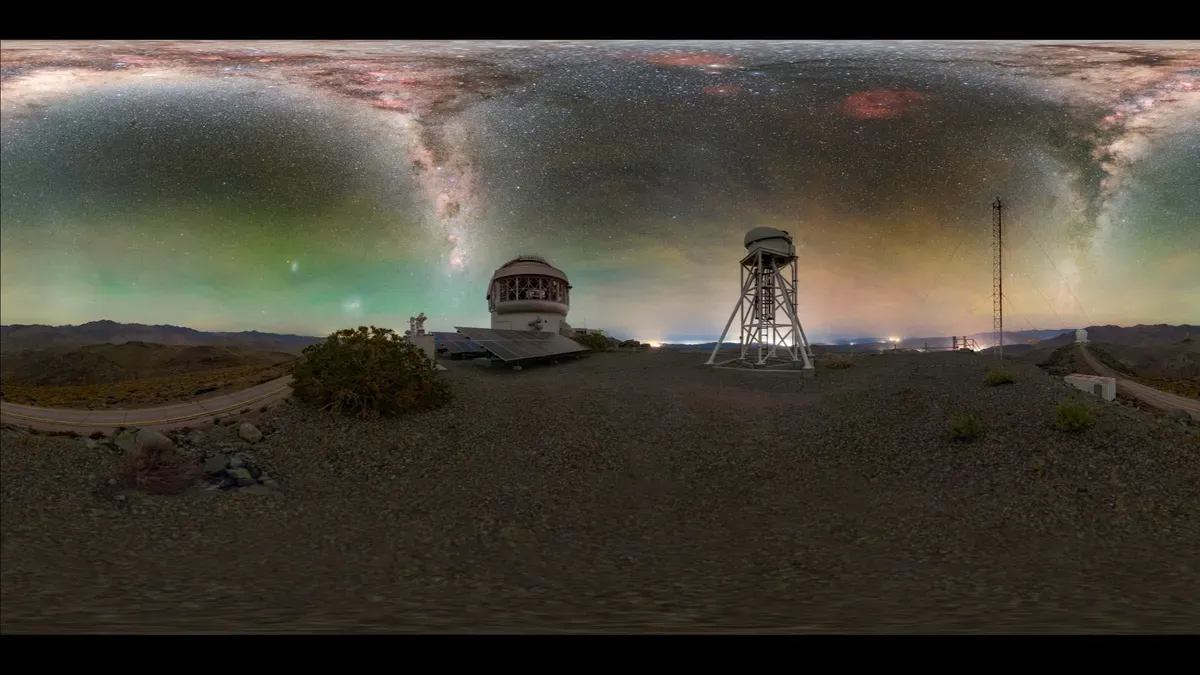
Photographer Petr Horálek captured the Milky Way above Gemini South Observatory, utilizing adaptive optics and infrared imaging. The observatory's solar panels enhance energy efficiency, supporting sustainable astronomy practices.
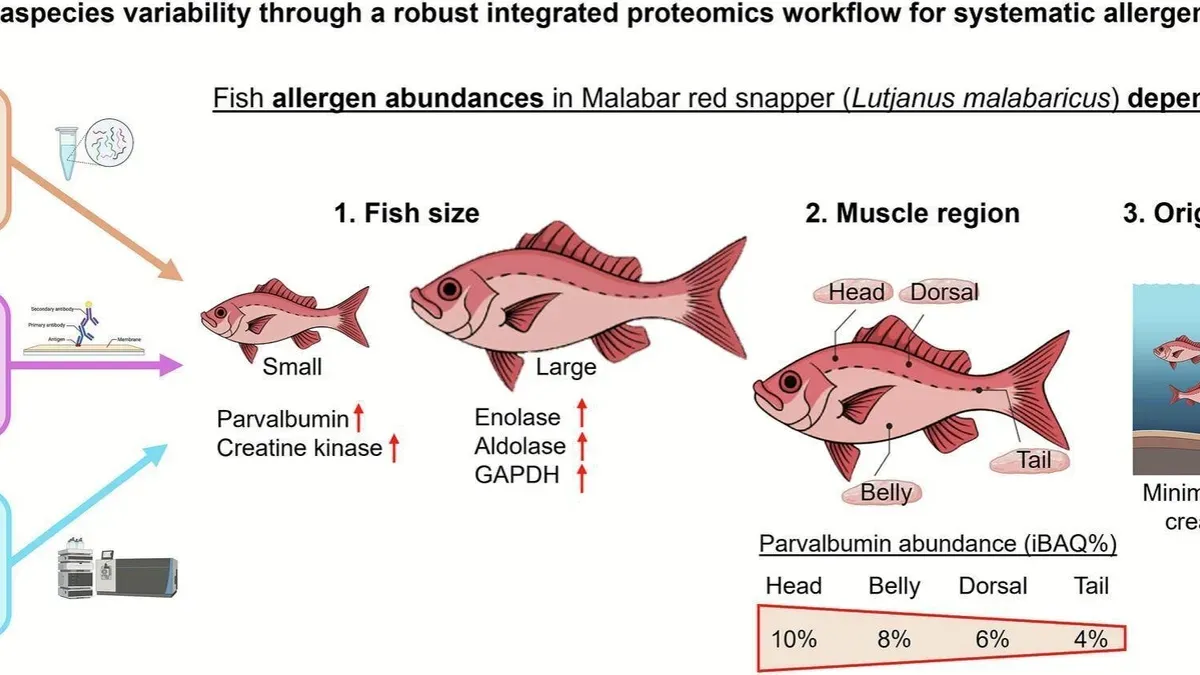
New research shows fish allergy risks depend on size and cut, with higher allergens in smaller fish and head regions. Study published in Food Chemistry.

Social media giants face their first trials over teen mental health claims, with outcomes poised to shape global settlements and redefine platform liability.

A winter storm in the U.S. caused Bitcoin's hashrate to drop 10%, exposing vulnerabilities in power grid reliance. Foundry's 30% capacity loss highlights risks for miners.

China’s AI strategy balances Xi’s 'whole-of-nation' vision with practical hurdles like overcapacity and U.S. export restrictions, as DeepSeek’s efficient models challenge traditional approaches.
NVIDIA has announced a strategic $2 billion investment in CoreWeave to develop over 5 gigawatts of AI capacity by 2030. Equipped with the latest Rubin platform, these "AI Factories" represent a new era in the global race for computational dominance.