


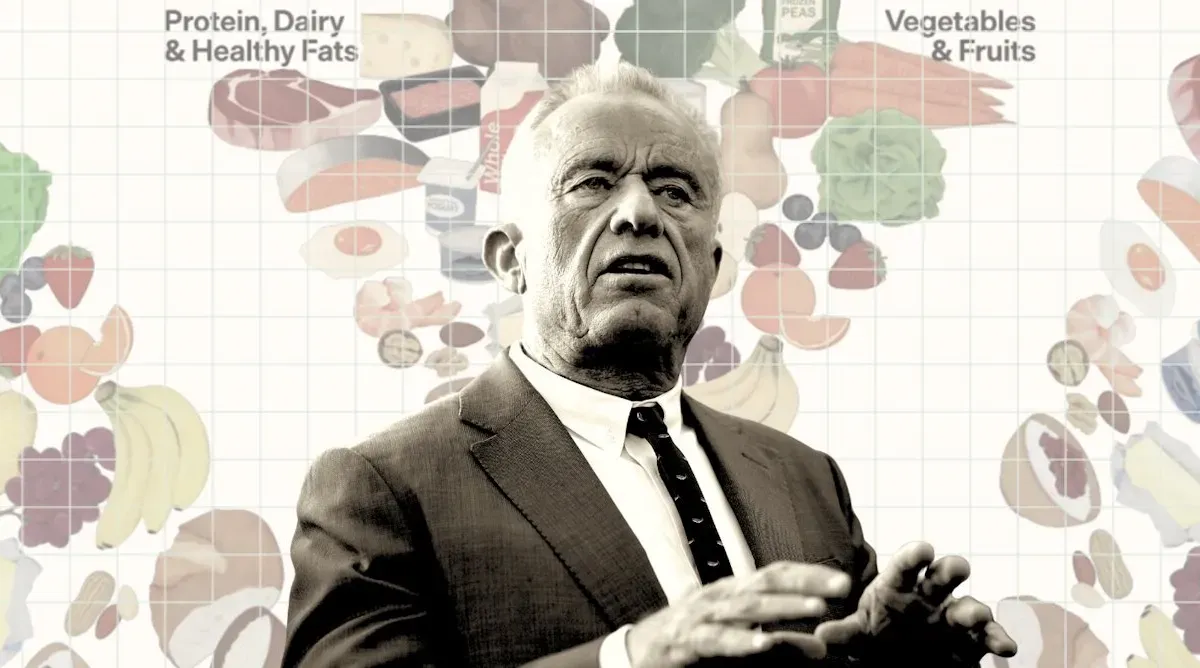
The 2025–2030 US Dietary Guidelines, released under the slogan 'eat real food,' spark debate over scientific rigor, industry influence, and structural inequities in food access.
The guidelines recommend increased protein intake (1.2–1.6 g/kg/day) and prioritize protein at every meal, based on a rapid review of weight loss/exercise studies.
Full-fat dairy is now recommended over low-fat options, despite Heart Foundation guidance in Australia and the US favoring reduced-fat dairy for heart disease risk reduction.
Ultra-processed foods are explicitly advised to be limited/avoided, citing links to chronic disease and inflammation.
The new 'Real Food' pyramid places meats, dairy, and oils at the top (widest section) alongside vegetables, contradicting written emphasis on plant-based balance.
Alcohol limits (previously defined since 1980) and cancer warnings are omitted, despite the US Surgeon General recently calling for alcohol cancer labels.
Three of nine guideline committee members had ties to the National Cattlemen's Beef Association, National Pork Board, or dairy industry organizations.
The 2025 guidelines lack systematic evidence protocols, public comment periods, and standard safeguards, diverging from prior processes. 'Health equity' considerations—including food access barriers for low-income communities—are omitted from the guidelines.
The Heart Foundation stated:
"Many people... may continue to benefit from choosing reduced-fat dairy"
The US Surgeon General, 2024, noted:
"Called for cancer warning labels on alcoholic beverages"
Access to affordable, healthy food remains limited for people in low-income communities, rural areas, or those working long and unpredictable hours.
⚠️ LEGAL DISCLAIMER: It is for informational purposes only. It never substitutes for professional medical advice, diagnosis, or treatment. Always consult your doctor regarding any questions about your health.