


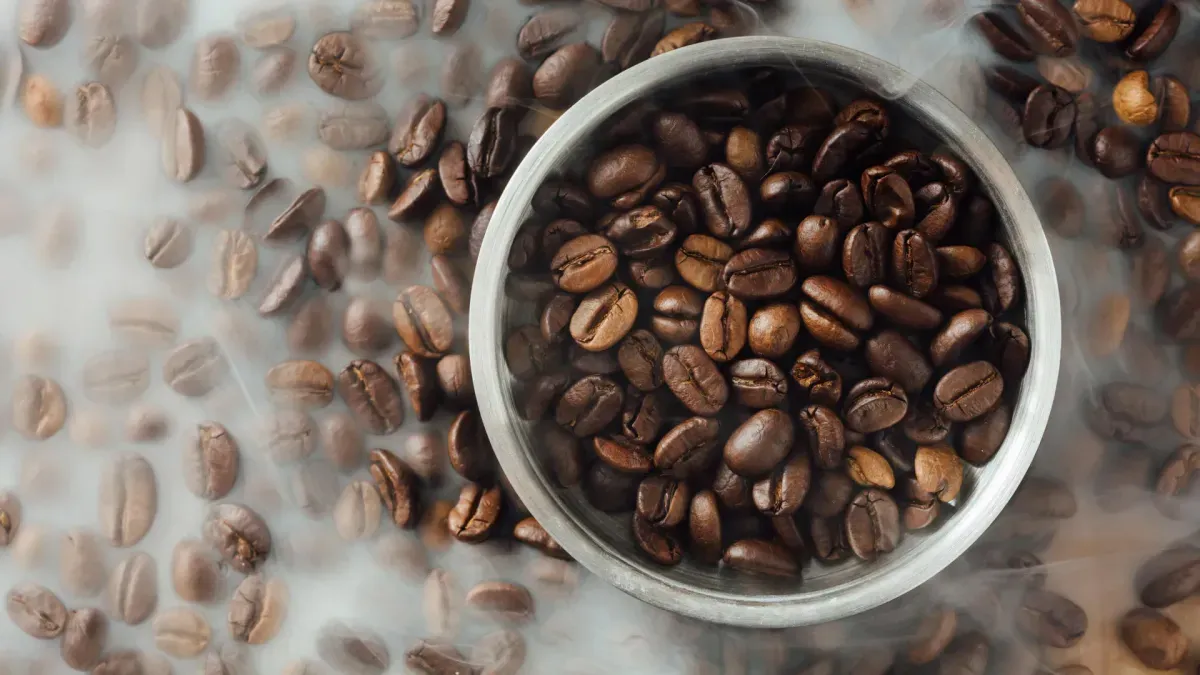
In a surprising twist, the morning cup of coffee might hold secrets to managing diabetes more effectively than traditional drugs. Researchers have identified three diterpene esters—caffaldehydes A, B, and C—in roasted Coffea arabica beans that inhibit α-glucosidase with IC₅₀ values of 45.07, 24.40, and 17.50 μM, respectively. These compounds outperformed acarbose, a widely used diabetes medication, in laboratory tests.
The study employed a three-step method integrating nuclear magnetic resonance (NMR) and liquid chromatography-tandem mass spectrometry (LC-MS/MS) to isolate and identify bioactive compounds.
This approach reduced solvent use while enhancing precision. Molecular network analysis further revealed three previously unknown diterpenes, expanding the potential of coffee as a source of functional compounds.
"The findings suggest new opportunities to develop coffee-based functional foods or nutraceuticals that support glucose control," the researchers noted.
However, they emphasized that the study is in vitro and does not provide clinical guidance. Future work will focus on evaluating the safety and effectiveness of these trace diterpenes in vivo.
Speaker said:
"Future studies will focus on testing the biological effects of the newly discovered trace diterpenes and evaluating their safety and effectiveness in vivo."
⚠️ LEGAL DISCLAIMER: It is for informational purposes only. It never substitutes for professional medical advice, diagnosis, or treatment. Always consult your doctor regarding any questions about your health.