
Molecular Switch in Sperm Metabolism Identified, Could Aid Contraception Research
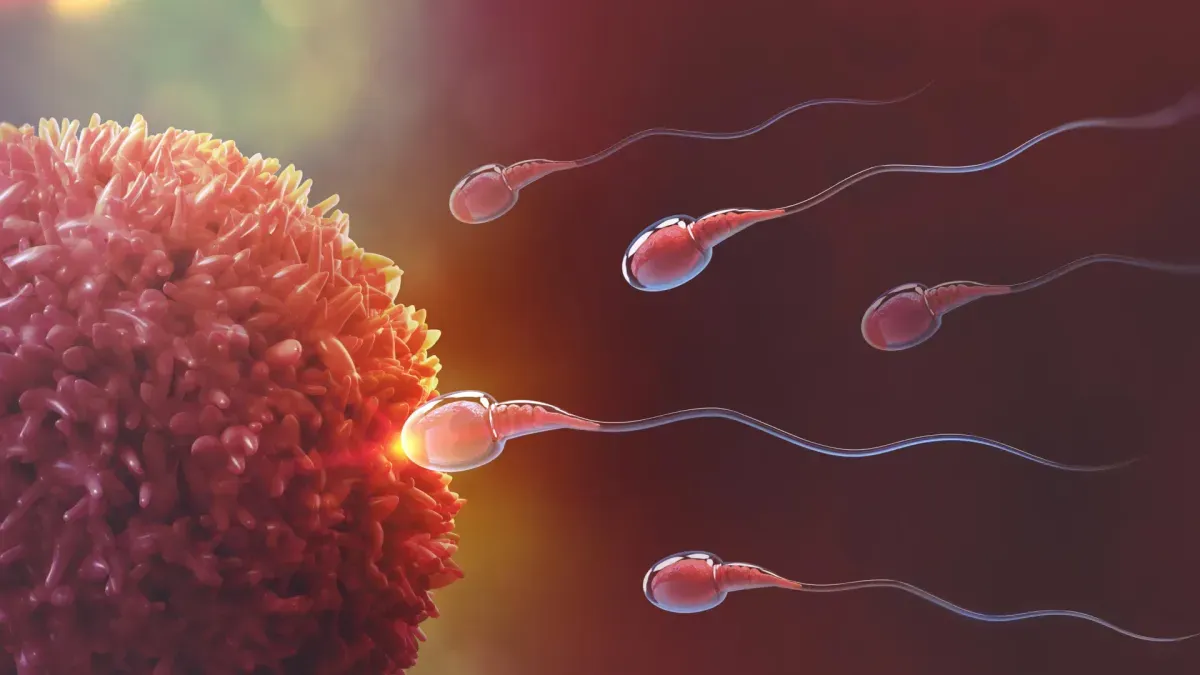
Scientists have identified a metabolic switch in sperm that could lead to non-hormonal male contraception. The study, published in the Proceedings of the National Academy of Sciences, reveals that the enzyme aldolase plays a central role in sperm glucose metabolism.
Researchers used glucose tracking and metabolomics to map how sperm convert energy, finding that they utilize both internal reserves and external glucose during activation.
"Sperm metabolism is special since it's only focused on generating more energy to achieve a single goal: fertilization," said Melanie Balbach, a co-author of the study.
The research team, funded by the National Institute of Child Health and Human Development, observed that disrupting aldolase activity significantly alters sperm motility and energy production. However, the authors caution that "translation to human sperm remains to be determined."
The findings suggest that targeting aldolase could offer a novel approach to male contraception without hormonal interference. The study's methodology involved detailed metabolic profiling of mouse sperm, with the researchers noting that "further work is needed to validate these mechanisms in human models."
Recommended Reading
 Yunus Yagis
 Yunus Yagis