


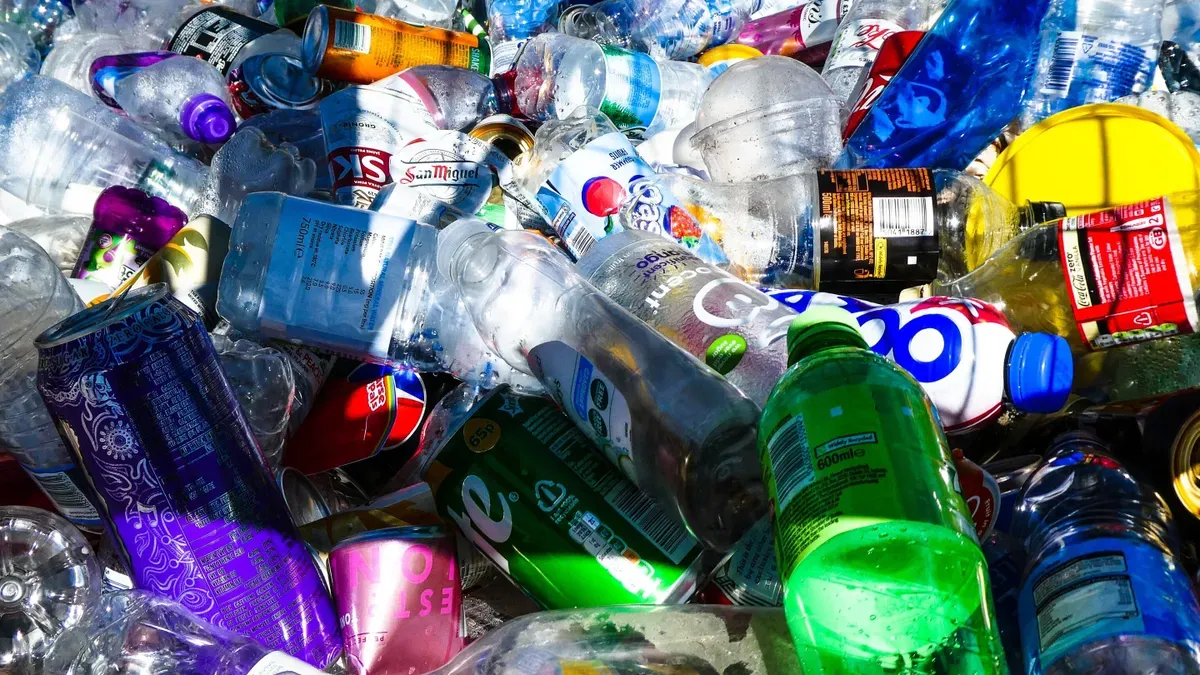
Microplastics lurk in everyday foods like salt, apples, and even tea, with bottled water emerging as the single biggest source of dietary contamination.
Daily microplastic intake from food and drink ranges from zero to 1.5 million particles per day. Bottled water contains up to 240,000 particles per liter, making it the largest dietary source of microplastics.
In contrast, mussels—a marine species known for filtering water—contain 0.2–0.70 particles per gram, highlighting a stark difference between processed and natural sources.
Chewing gum releases up to 637 microplastic particles per gram, with most released within eight minutes of chewing. This rapid release underscores how seemingly innocuous habits contribute to microplastic ingestion.
Similarly, tea brewed in plastic teabags can release 11.6 billion microplastics per cup, making it one of the most contaminated single-serving items.
94% of global salt products tested contain microplastics, with terrestrial salts like Himalayan salt more contaminated than marine salts.
Apples and carrots are among the most contaminated fruits/vegetables, though contamination levels remain lower than in processed foods. These findings suggest that while fresh produce carries some risk, processed items pose a greater threat.
Switching to tap water, using glass/metal containers, and avoiding plastic-lined cups reduces exposure.
Simple changes like these could mitigate long-term health risks associated with microplastic accumulation. However, the study does not provide clinical guidance, and further research is needed to understand the implications of chronic exposure.
⚠️ LEGAL DISCLAIMER: It is for informational purposes only. It never substitutes for professional medical advice, diagnosis, or treatment. Always consult your doctor regarding any questions about your health.