Metabolic Time Capsules: Fossilized Bones Reveal Prehistoric Diets and Diseases
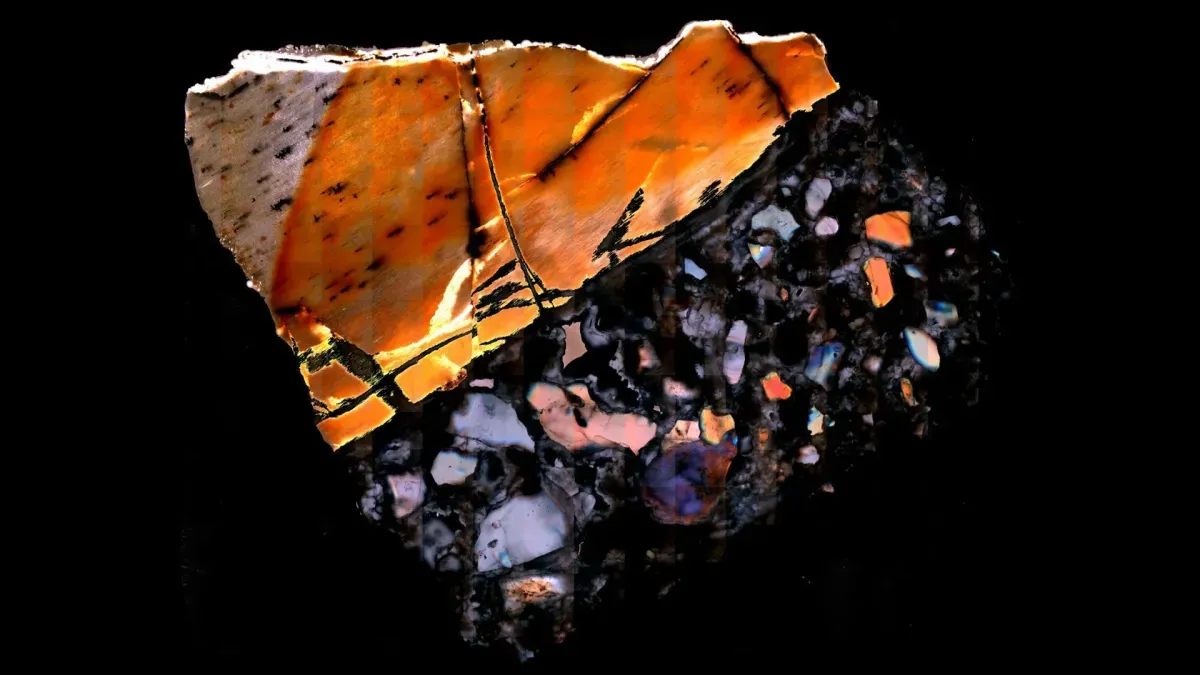
Fossilized bones are offering a molecular time machine—scientists have uncovered ancient metabolites that reveal the diets, diseases, and climates of creatures that lived millions of years ago.
Researchers analyzed metabolites in fossilized bones dating from 1.3 to 3 million years old, uncovering insights into prehistoric diets, diseases, and environmental conditions.
A key finding involved a 1.8-million-year-old ground squirrel fossil showing evidence of a Trypanosoma brucei infection, a parasite linked to sleeping sickness in modern animals.
Dr. Timothy Bromage said:
"I've always had an interest in metabolism... It turns out that bone, including fossilized bone, is filled with metabolites. What we discovered in the bone of the squirrel is a metabolite that is unique to the biology of that parasite... We also saw the squirrel's metabolomic anti-inflammatory response, presumably due to the parasite."
Metabolites—small molecules produced during cellular processes—are preserved in bone microenvironments during growth, creating chemical signatures of diet, health, and climate.
Modern mouse bone studies identified nearly 2,200 metabolites using mass spectrometry, demonstrating the method’s potential for analyzing ancient remains.
Unlike DNA-based methods, metabolomic analysis captures transient biological signals that can persist in mineralized tissues long after genetic material degrades.
The research, published in Nature, was supported by The Leakey Foundation and NIH. Findings are limited to animal fossils; no human clinical guidance is provided.
⚠️ LEGAL DISCLAIMER: It is for informational purposes only. It never substitutes for professional medical advice, diagnosis, or treatment. Always consult your doctor regarding any questions about your health.