



Two titans of the gaming and technology landscape—Meta and Ubisoft—are executing strategic pivots that fundamentally reshape the industry's operational blueprint.
These moves transcend routine cost-cutting; they represent a sobering acknowledgment that the hyper-growth models dominating the past several years have reached their limits. Slowing market expansion, shifting consumer preferences, and intensifying competition have forced both companies to abandon expansionist dogma in favor of disciplined efficiency and financial sustainability.
Meta's Reality Labs Retreat
Meta recently eliminated approximately 10% of its Reality Labs workforce—more than 1,000 employees—as part of a broader restructuring of its virtual reality division.
The decision arrives as Reality Labs reportedly posted losses exceeding $19 billion in 2025, pushing cumulative losses since 2020 beyond $80 billion.

This isn't merely a budget adjustment; it marks a strategic recalibration of Meta's long-term VR ambitions in response to slower-than-expected user adoption, hardware cost barriers, and the technology's failure to disrupt mainstream gaming experiences.
Meta's pivot signals the end of the "growth at all costs" era. The company is shifting from attempting to build VR as a standalone ecosystem—where developers were effectively required to build within Meta's walled garden—toward a more selective approach focused on high-potential licensing models and smaller, higher-quality experiences.
CFO Susan Li indicated the division's losses are expected to peak in 2026, with gradual reductions beginning in 2027 as tighter spending discipline takes hold.
This consolidation phase may ultimately benefit the broader VR market by eliminating lower-quality projects and redirecting resources toward genuinely innovative experiences that address real consumer needs rather than chasing platform dominance.
Ubisoft's Portfolio Purge
Ubisoft simultaneously announced a sweeping "company reset," canceling six in-development titles—including the long-troubled Prince of Persia: The Sands of Time remake—and delaying seven additional projects to ensure they meet revised quality standards.
The French publisher also confirmed closures of two studios and expects to record a €1 billion loss before interest and tax for fiscal year 2025–2026 as a direct result of this restructuring.
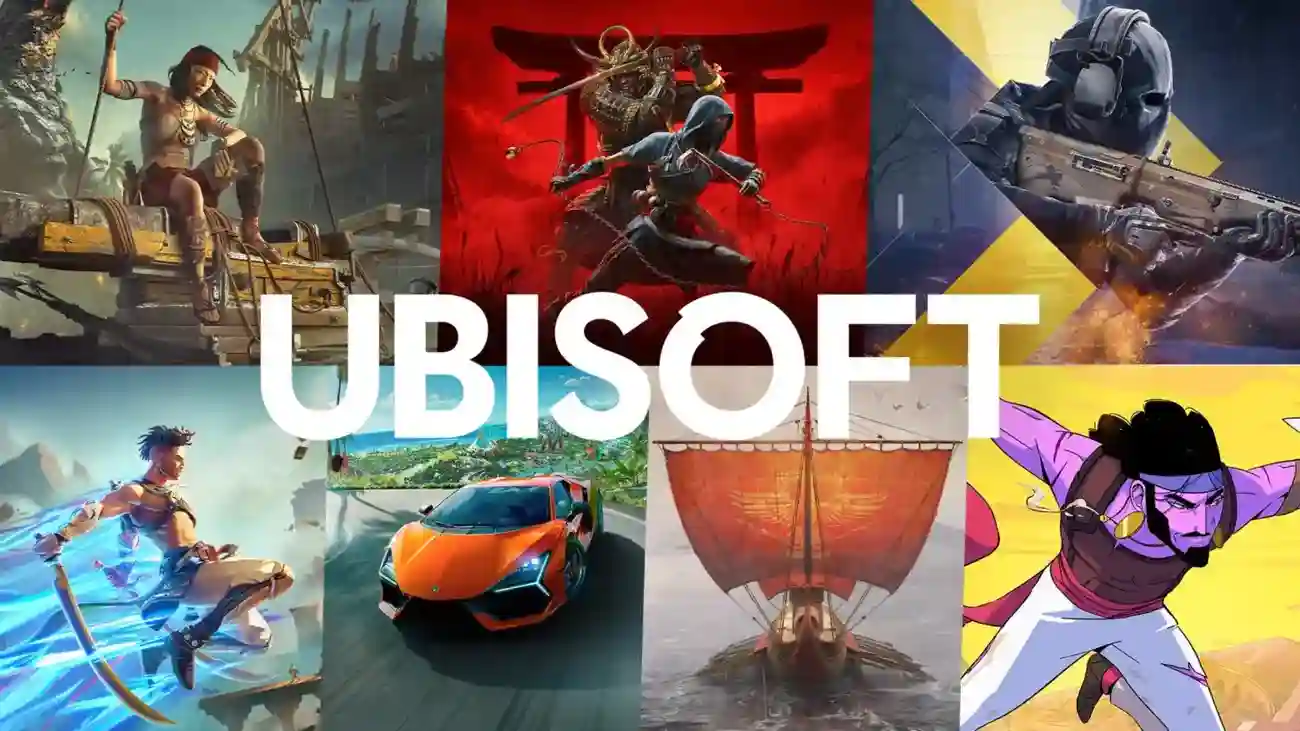
The cancellations reflect more than financial pressure; they represent a painful reassessment of franchise viability. After years of underperformance and development challenges, even storied properties like Prince of Persia failed to meet Ubisoft's new quality thresholds.
This surgical approach forces the company to concentrate resources exclusively on its strongest intellectual properties while navigating a delicate balance between financial survival and creative ambition.
Ubisoft's future hinges on whether this austerity period fuels disciplined innovation within franchises like "Assassin's Creed" and "Far Cry"—or triggers a risk-averse culture that stifles the very creativity that built its reputation.
Industry Implications
These parallel maneuvers signal a watershed moment for gaming's business model. The era of seemingly infinite resources and unconditional greenlights has ended.
Every project now faces existential scrutiny against market realities and financial constraints—a shift that levels the playing field for smaller studios capable of operating with leaner teams and more focused visions.
The path forward demands more than massive budgets; it requires strategic intuition, adaptability, and precise resource allocation.
As Meta retreats from metaverse maximalism and Ubisoft prunes its portfolio to core strengths, both companies acknowledge an uncomfortable truth: sustainable growth requires discipline, not just scale.
For an industry long intoxicated by expansion, this sober recalibration may prove healthier than any amount of unchecked growth.
Ahmet Ipek, gaming writer and editor at Factide. Instagram: ahmett._23