


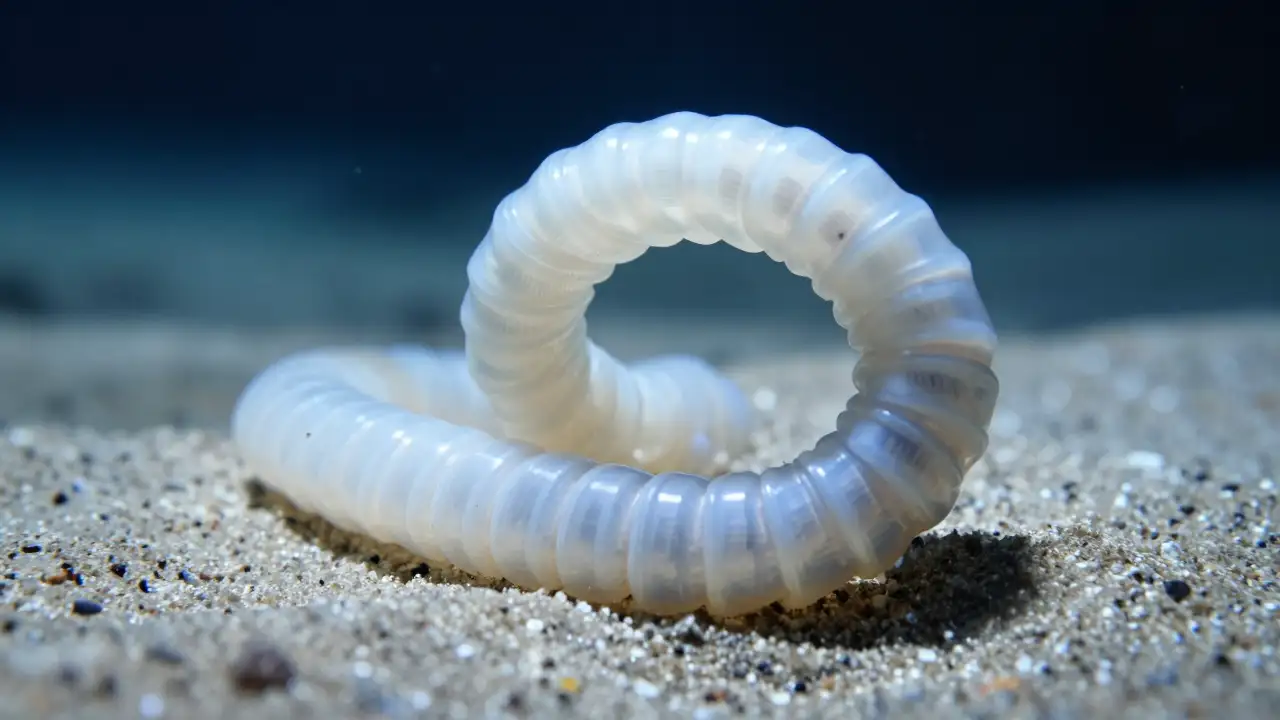
Species are vanishing faster than scientists can find them. For marine annelids, the segmented worms that churn sediment and recycle nutrients across nearly every ocean environment, this gap between discovery and disappearance has become a race with no clear winner.
The EuroWorm project, launched by researchers from the University of Göttingen, the Leibniz Institute for Biodiversity Change Analysis, and the Senckenberg Society for Nature Research, aims to close that gap. The initiative will collect specimens from European locations where many species were first described, identify them by their physical form, photograph them in high resolution, and analyze them using advanced genomic tools. The resulting data will be openly available through platforms such as GBIF.
These worms matter more than their obscurity suggests. They mix sediments, signal pollution levels, and support marine food webs. Yet many face what project leader Dr. Jenna Moore calls "silent extinction" — disappearing without ever entering scientific record.
Dr. Maria Teresa Aguado Molina, a researcher from Göttingen University's Animal Evolution and Biodiversity group, frames the method as a form of time travel:
"Such collections are scientific time capsules. Historical collections, combined with modern genomics, are unlocking hidden biodiversity at an unprecedented pace."
The specimens, along with their genetic data and images, will be added to collections at the Museum of Natural History Hamburg and the Senckenberg Natural History Museum. Scientists worldwide, particularly in the Global South, will be able to access these resources or request specimens for further study.
What remains unmeasured is whether genomic cataloging can outpace the combined pressures of climate change, habitat destruction, and invasive species driving these extinctions. The project establishes a baseline, but the baseline itself is shifting.
Dr. Conrad Helm, another project researcher, notes that the interdisciplinary approach "provides an excellent basis for thoroughly documenting the diversity of marine annelids and, at the same time, for specifically defining future research priorities."
The Leibniz Association-funded project reinforces natural history museums as research hubs equipped with tools that did not exist when many of their specimens were first collected. Professor Christoph Bleidorn points to Göttingen's long focus on annelid evolution, now extended through this collaboration.
The open question is whether future research priorities will include species already lost to the unrecorded past.
Source: University of Göttingen