


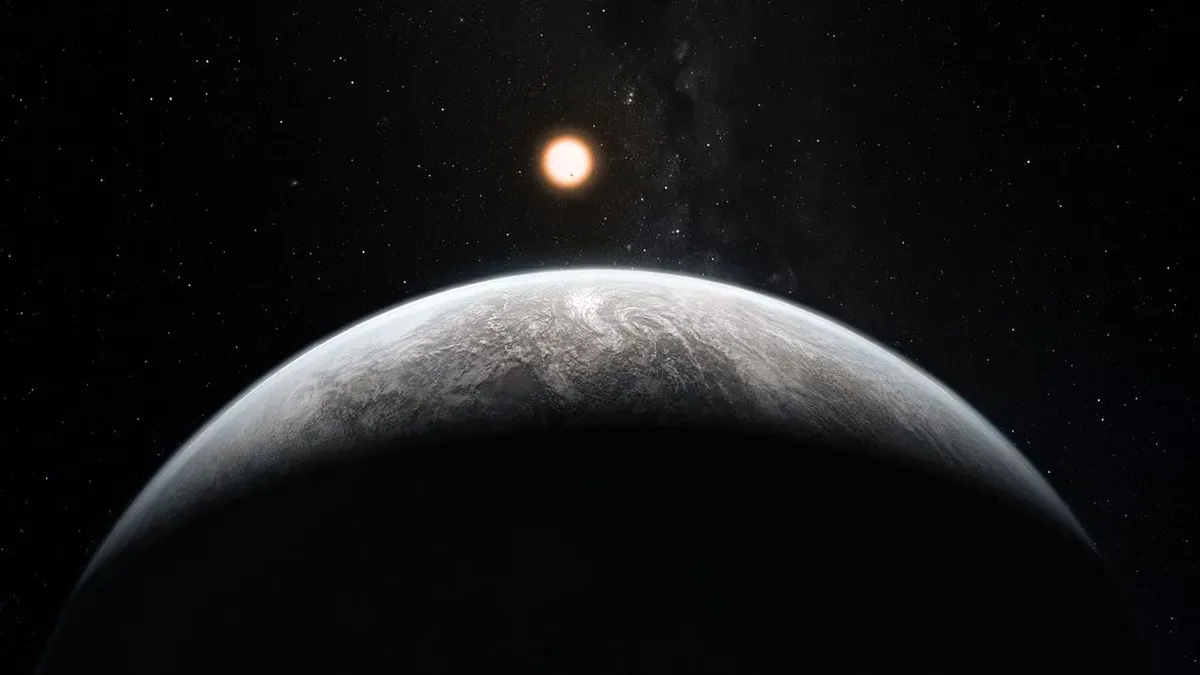
Super-Earth exoplanets may generate protective magnetic fields from deep magma layers, boosting their potential for life despite their alien internal structures.
A study published January 15, 2024, in Nature Astronomy reveals that basal magma oceans (BMOs) between the core and mantle of super-Earths could sustain magnetic fields for billions of years. This mechanism contrasts with Earth’s liquid iron core dynamo, which generates the planet’s magnetic shield.
Researchers conducted shock experiments demonstrating that iron-rich magma becomes metallic and conductive under super-Earth pressures.
This conductivity enables BMOs to function as dynamos, potentially producing magnetic fields comparable to or stronger than Earth’s. Miki Nakajima, lead author of the study, explained, “Super-earths can produce dynamos in their core and/or magma, which can increase their planetary habitability.”
Luca Maltagliati, Nature Astronomy editor, noted that planets with 3-6 Earth masses might derive their primary magnetic field from this intermediate layer rather than their cores.
Magnetic fields are critical for habitability as they protect atmospheres from stellar winds and radiation. However, the team cautions that observational challenges remain in verifying these findings for exoplanets.
The study combines planetary modeling with experimental data to explore how high-pressure conditions preserve BMOs over geological timescales.
While the results suggest enhanced habitability potential for super-Earths, further research is needed to confirm these mechanisms in real-world observations.