Longstanding Gap in Weight-Loss Intentions and Actions Persists in U.S. Survey
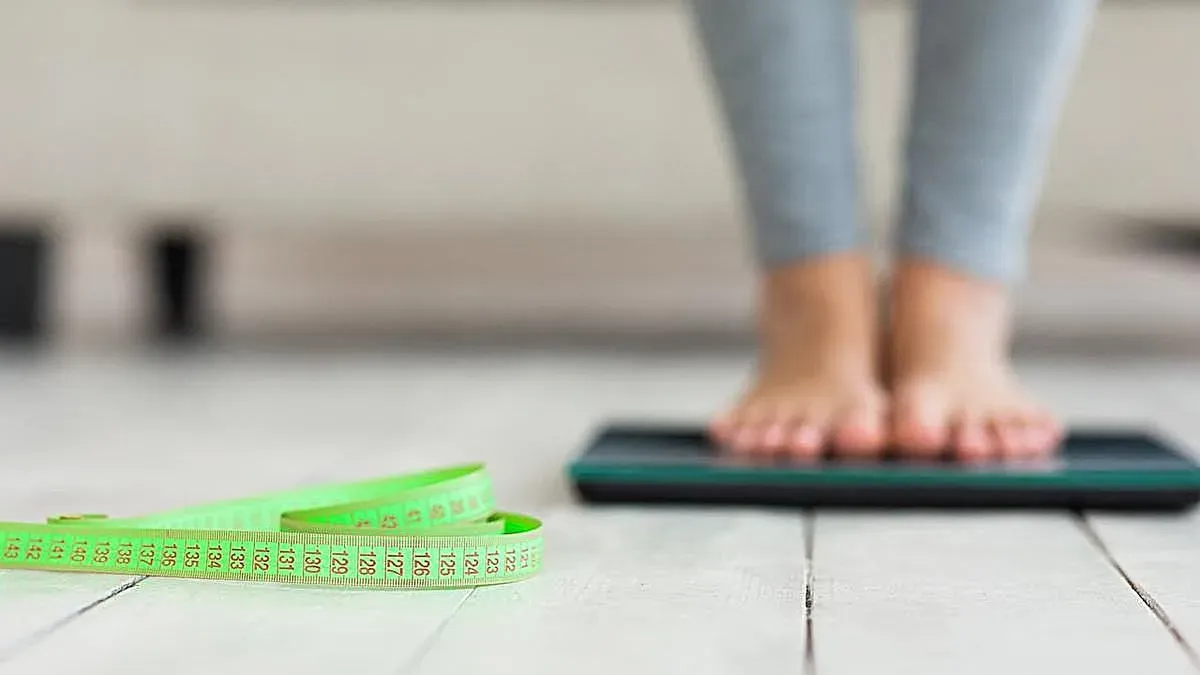
For nearly three decades, Americans have expressed a desire to lose weight, yet the gap between intention and action remains stubbornly wide. A 2025 West Health-Gallup poll of 1,321 adults reveals that while 52% of U.S. adults want to lose weight, only 26% are making serious efforts.
The self-reported average weight for adults has increased by 20 pounds since 1990, reaching 181 pounds today, while target weights have risen from 149 pounds in 1990 to 165 pounds in 2026.
This shift reflects broader societal attitudes toward body image. Women are more likely than men to describe themselves as overweight (43% vs. 37%), and younger adults (18-34 years old) report lower rates of perceived overweight (30%) compared to older generations (44% for 35-54 years, 45% for 55+ years). The data suggests a normalization of higher body weights across demographics.
Gallup noted the correlation between rising actual weights and adjusted expectations: 'As Americans have gained weight, they have adjusted their expectations of what their ideal body weight is.'
This phenomenon is further complicated by the 10% of respondents who want to gain weight and the 37% who consider their weight 'about right.'
Gallup said:
'While the recent rise in use of GLP-1 drugs is linked to a notable decrease in obesity in the U.S., a steady 4 in 10 Americans still report being at least somewhat overweight, and more than half continue to say they would like to lose weight.'
⚠️ LEGAL DISCLAIMER: It is for informational purposes only. It never substitutes for professional medical advice, diagnosis, or treatment. Always consult your doctor regarding any questions about your health.