Jupiter Reaches Opposition on Jan. 10: How to Observe the 'King of Planets' at Its Brightest
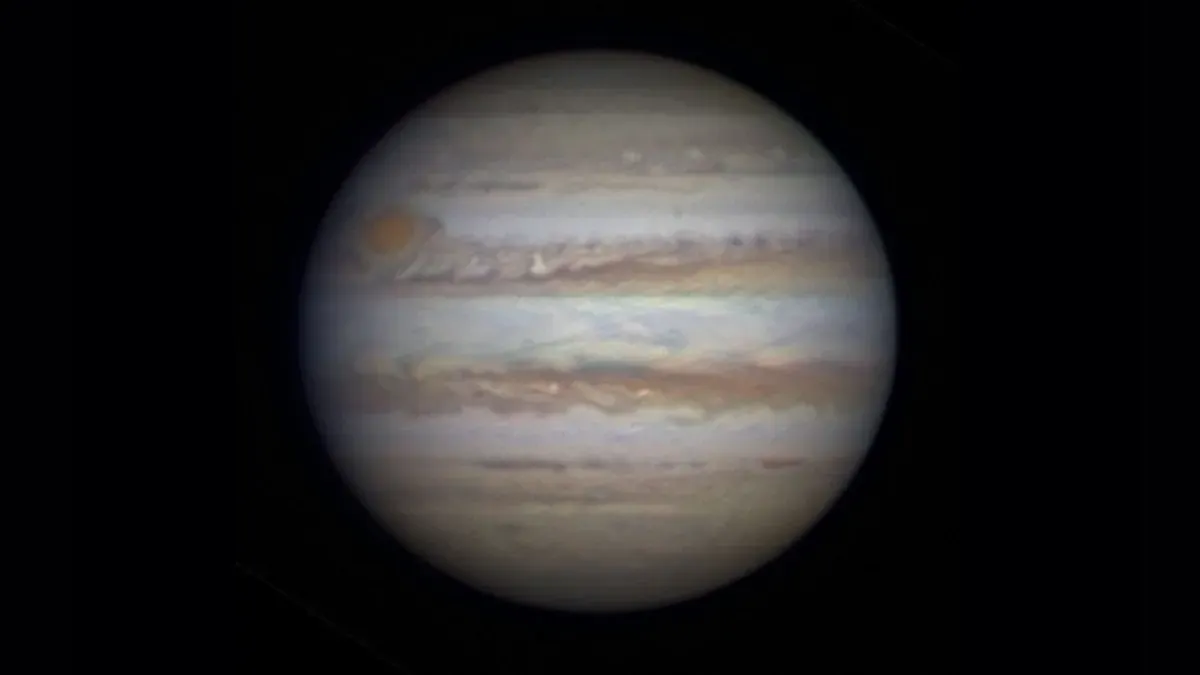
This weekend, Jupiter will outshine every star in the night sky as it reaches opposition, offering the best view of the 'king of planets' for 2025. On Jan. 10, 2025, Earth will align directly between Jupiter and the sun, positioning the planet at its closest approach to Earth for the year.
At magnitude -2.7, Jupiter will appear brighter than any other celestial object in the night sky except the moon, with the exception of Venus when it reaches superior conjunction.
Jupiter will appear in the constellation Gemini, near the stars Pollux and Castor. Observers using binoculars (8×42 or 10×50) will be able to resolve the four Galilean moons—Io, Europa, Ganymede, and Callisto—as distinct points of light. Small telescopes can reveal Jupiter’s cloud bands and the Great Red Spot under optimal atmospheric conditions.
The visibility of the Great Red Spot depends on the steadiness of the planet’s atmosphere and the quality of the telescope’s optics.
Other planetary alignments will occur in the coming months. Saturn will remain visible in the early evening, with its rings observable through telescopic equipment.
On June 9, 2025, Jupiter will form a triple conjunction with Venus and Mercury, while a meeting with Mars is scheduled for Nov. 15, 2025. The next Jupiter opposition will occur on Feb. 6, 2027.