


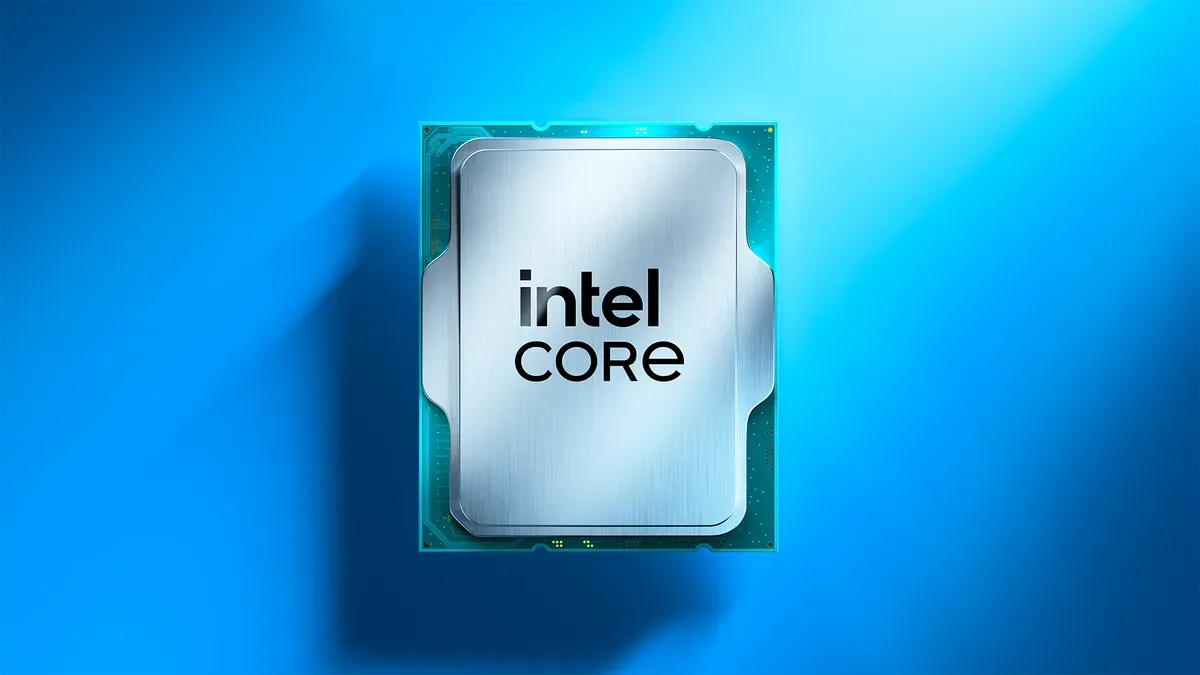
If your factory line stutters for even a millisecond, the bill can hit six figures—Intel’s new chip swears it won’t blink.
Intel’s Core Series 2 “P-core” variant is aimed squarely at mission-critical edge workloads. In tests run inside Intel’s own labs at a locked 65 W TDP, the company claims the part delivers 4.4× lower PCIe latency and 3.8× more deterministic timing than AMD’s Ryzen 7 9700X.
For plant managers who’ve watched multi-CPU rigs drift out of sync and spit out scrap, those numbers sound like a lifeline—provided they hold up once someone outside Santa Clara tries to repeat them.
Dan Rodriguez, Intel CVP and GM of Edge Computing Group, is bullish on the niche:
"Intel continues to lead in edge computing, which remains one of our fastest-growing business segments."
Systems using Core Ultra Series 3 and the new Core Series 2 are shipping today. Intel is also dangling a GitHub preview of its Edge AI Suite for Health & Life Sciences, with a full release targeted for Q2 2026.
The bundle packages on-device ECG arrhythmia detection, camera-based remote photoplethysmography, and anonymous 3-D visual tracking—tools meant to nudge patient monitoring away from a tangle of standalone gadgets toward a single local AI fabric.
Healthcare OEMs still need to validate clinical accuracy themselves; Intel’s repository is only a starting point. And until third-party testers publish latency traces captured on actual factory floors, plant engineers should treat the “microsecond-perfect” pitch as a vendor wish list, not a guarantee.
Source: Intel