


The US FDA has cleared Coya Therapeutics to initiate clinical trials for COYA 302, an immune-modulating therapy targeting frontotemporal dementia (FTD).
This regulatory milestone marks the first attempt to address chronic neuroinflammation through regulatory T cell (Treg) modulation in FTD, a condition affecting approximately 60,000 Americans with an average survival of seven and a half years post-diagnosis.
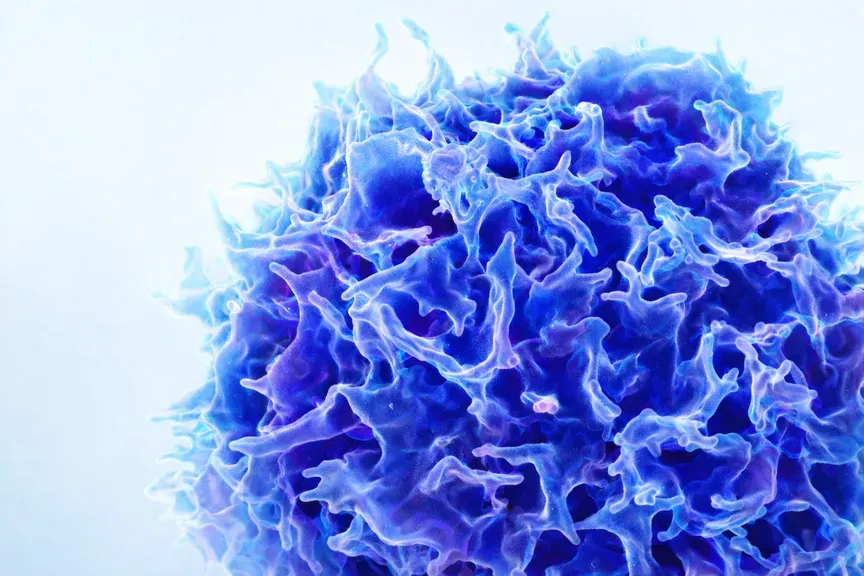
COYA 302 operates by enhancing the anti-inflammatory function of Tregs, which are immune cells that regulate inflammation.
Unlike traditional approaches focusing on neuronal damage or protein pathology, this therapy aims to modulate the immune system's role in neurodegeneration. Dr. Fred Grossman, CMO of Coya Therapeutics, explained:
"We believe the dual mechanism of COYA 302, which is designed to enhance the anti-inflammatory function of Tregs, provides a strong scientific rationale for evaluating this therapy in patients with FTD."
Dr. Adam Boxer of UCSF, who is not affiliated with Coya Therapeutics, added:
"I am pleased to see this new treatment approach with a strong scientific rationale being moved forward toward a clinical trial for sporadic FTD."
The therapy's cross-disease potential is evident in its parallel investigation for amyotrophic lateral sclerosis (ALS) through the ALSTARS Phase 2 trial.
This strategy reflects a growing recognition of immune dysregulation as a shared mechanism across neurodegenerative diseases. However, no clinical data exists yet for COYA 302 in FTD, and the therapy remains in early-stage development.
Currently, no FDA-approved treatments exist that can slow or halt FTD progression. The regulatory green light for COYA 302 represents a shift toward immune-based interventions, though results from upcoming trials will determine its clinical viability.
⚠️ LEGAL DISCLAIMER: It is for informational purposes only. It never substitutes for professional medical advice, diagnosis, or treatment. Always consult your doctor regarding any questions about your health.