How to Buy a 4K TV in 2026 Without Getting Lost in the Noise
With Super Bowl coming up, TV shoppers are scrambling to avoid last year’s mistake of buying overpriced 85-inch OLEDs they’ll never use. But this year’s deals are even more confusing than ever.
The 2026 4K TV market is a minefield of conflicting specs and niche positioning.
Samsung’s Q8F 55-inch ($697.99) offers quantum dot LED panels with decent contrast, while Hisense’s U65QF ($699.99) touts 144Hz refresh rates and two HDMI 2.1 ports—critical for 4K/120Hz gaming.
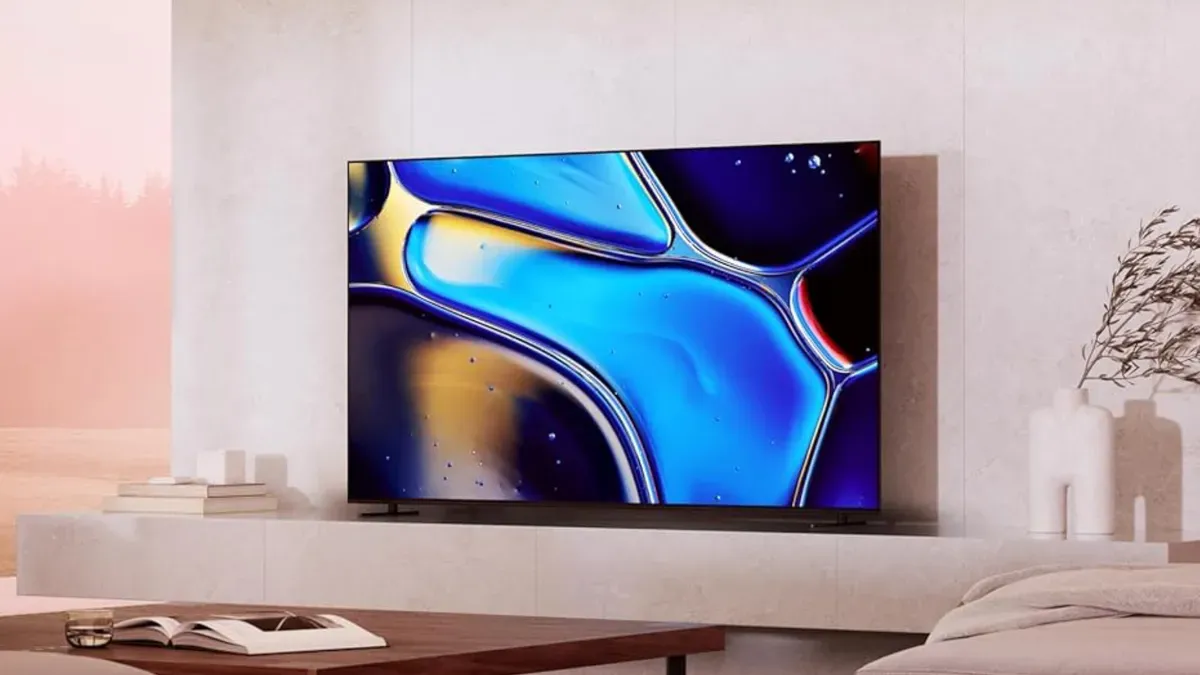
Sony’s Bravia 8 II (K65XR80M2) 65-inch ($2,998) won TV Shootout awards but costs nearly double the price of mini-LED alternatives like the Hisense U8QG.
OLEDs like LG’s C4 ($1,299.95) still lag behind newer C5 models ($1,699) in brightness and burn-in resistance.
For art TVs, TCL’s Nxtvision 65-inch ($999.99) delivers 120Hz QLED performance but lacks the 1,000-nit brightness of Samsung’s Frame Pro ($1,897.99).
Mini-LED’s higher peak brightness (up to 2,000 nits) makes it better for HDR streaming, while OLEDs like the C4 excel in deep blacks for dark-room viewing.
Gamers need HDMI 2.1 support for 4K/120Hz, but budget models like Hisense’s QD7 ($399.99) skip this entirely. The $1,897 Frame Pro’s 120Hz panel hits 1,000 nits—enough for both art display and casual gaming, but at a steep premium.