GLP-1 Medications Tied to Food Spending Reductions in New Consumer Study
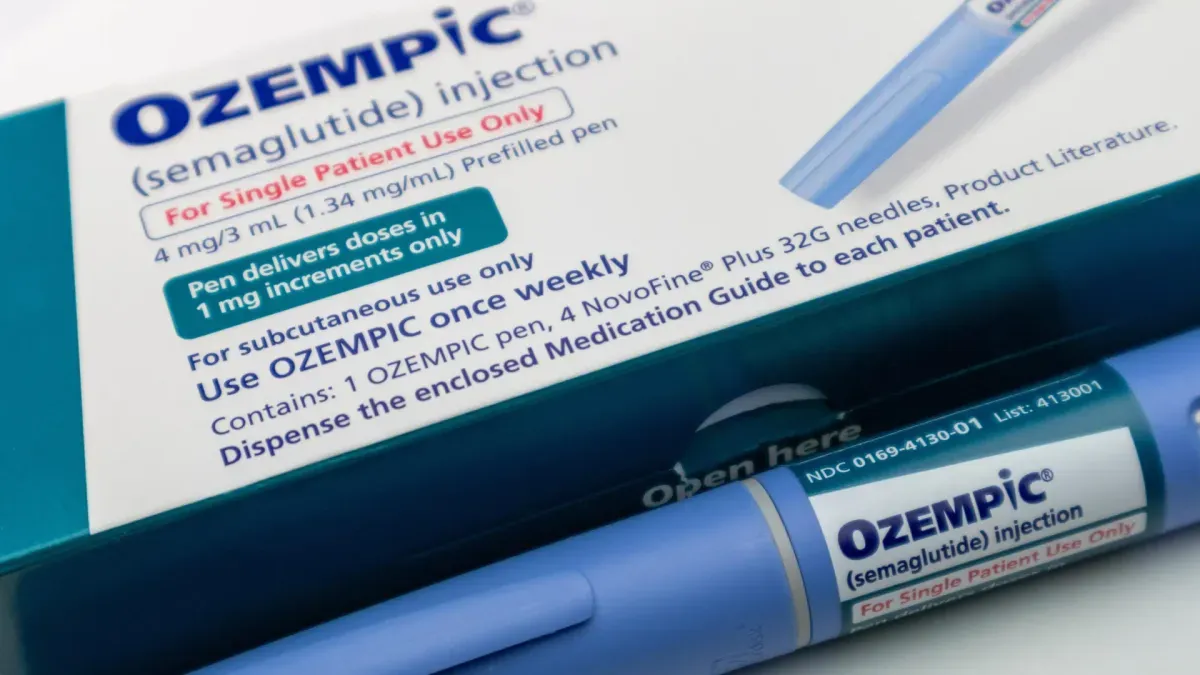
Weight-loss drugs like Ozempic are reshaping American food budgets, with households reducing grocery and restaurant spending by thousands annually.
A peer-reviewed analysis published in the Journal of Marketing Research reveals that households using GLP-1 receptor agonists cut grocery spending by 5.3% within six months, with higher-income households experiencing declines exceeding 8%.
The study combined self-reported medication use with transaction data from 150,000 households via Numerator, a consumer insights firm.
Snack foods—including savory items, sweets, and baked goods—along with bread, meat, and eggs saw the steepest declines in purchases. By contrast, yogurt, fresh fruit, nutrition bars, and meat snacks showed modest spending increases.
Fast-food and limited-service restaurant expenditures fell by 8% among users. These effects persisted for at least one year among continuous users, according to Sylvia Hristakeva of Cornell University, who noted that post-discontinuation spending patterns became less distinct from pre-adoption levels.
"The data show clear changes in food spending following adoption. After discontinuation, the effects become smaller and harder to distinguish from pre-adoption spending patterns."
The study identifies correlations rather than causality between medication use and spending shifts. Researchers caution that the observed trends do not establish a direct cause-and-effect relationship.
However, the findings suggest potential long-term shifts in demand for snack foods and fast food, with implications for manufacturers, retailers, and public health policy.
Hristakeva emphasized that further research is needed to clarify how these behavioral changes might scale across populations.