FTC Shuts Down GM's Data Brokerage: A Win for Consumer Privacy?
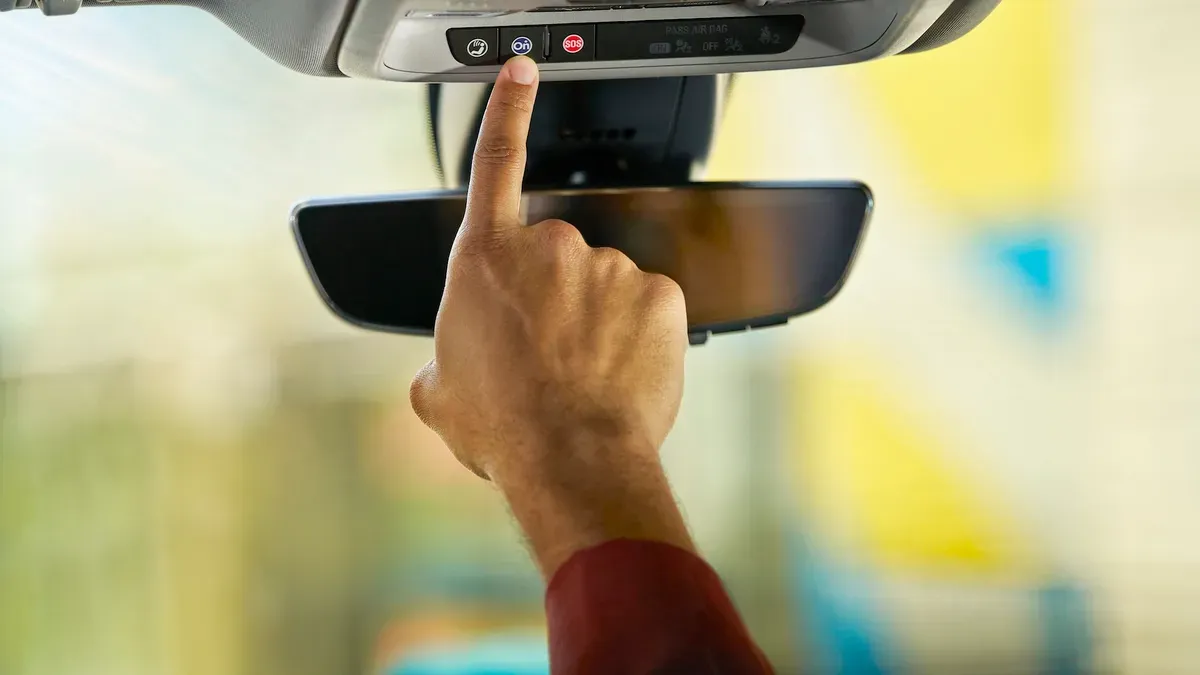
The FTC’s crackdown on GM’s data practices exposes the hidden costs of ‘connected car’ convenience—where your driving habits could be sold to insurers tomorrow.
A finalized order now bars General Motors and OnStar from sharing consumer data with consumer reporting agencies, marking a pivotal shift in automotive privacy norms.
GM’s statement on the matter reads:
"As vehicle connectivity becomes increasingly integral to the driving experience, GM remains committed to protecting customer privacy, maintaining trust, and ensuring customers have a clear understanding of our practices."
This follows the April 2024 discontinuation of the Smart Driver program, which saw all customers unenrolled and third-party telematics partnerships terminated.
The FTC alleges GM used a misleading enrollment process, failing to disclose data collection and sales to third parties. Now, the automaker must obtain explicit consent for data collection at the dealership level, while allowing consumers to request data deletion or disable geolocation tracking.
Exceptions remain for emergency responder access and de-identified data sharing for academic research—such as the University of Michigan’s urban planning initiatives.
However, customer feedback has already led to tangible changes: the Smart Driver program’s discontinuation highlights how consumer pushback can reshape corporate data strategies.