


Ford is racing to catch up to rivals like Tesla and Rivian with its AI-powered car assistant and cheaper self-driving tech — but can it keep up with the fast-evolving automotive tech arms race?
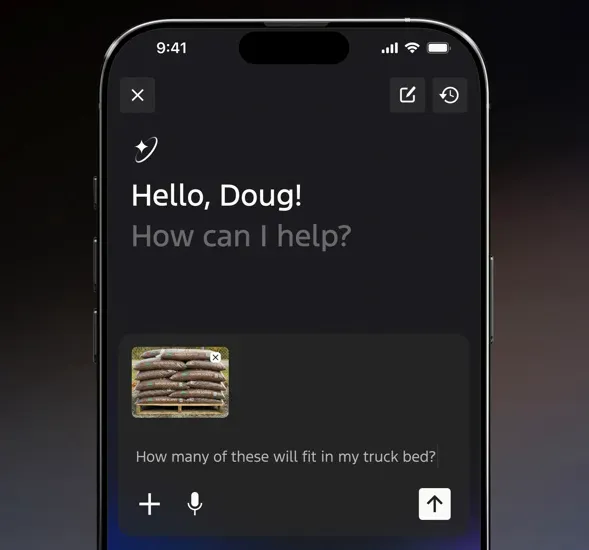
The automaker announced an AI assistant for its smartphone app in 2026, with vehicle integration set for 2027. Hosted by Google Cloud, the system uses off-the-shelf large language models to handle real-time vehicle diagnostics and contextual queries like truck bed capacity.
This timeline lags behind competitors like Rivian and Tesla, who already offer voice-activated assistants with similar functionality in 2025.
Alongside the assistant, Ford’s new BlueCruise system will debut on its Universal Electric Vehicle platform in 2027. The self-driving tech promises a 30% reduction in manufacturing costs but lacks driver readiness requirements.
Ford aims for eyes-off driving capability by 2028, positioning it as a 'point-to-point autonomy' solution — two years behind Rivian’s 2025 timeline and trailing Tesla’s current capabilities.
The CES 2026 announcement marks a shift from past automotive dominance at the event. Ford’s strategy appears focused on cost-cutting and incremental improvements rather than breakthrough innovation, raising questions about its ability to close the gap with established leaders in the space.