


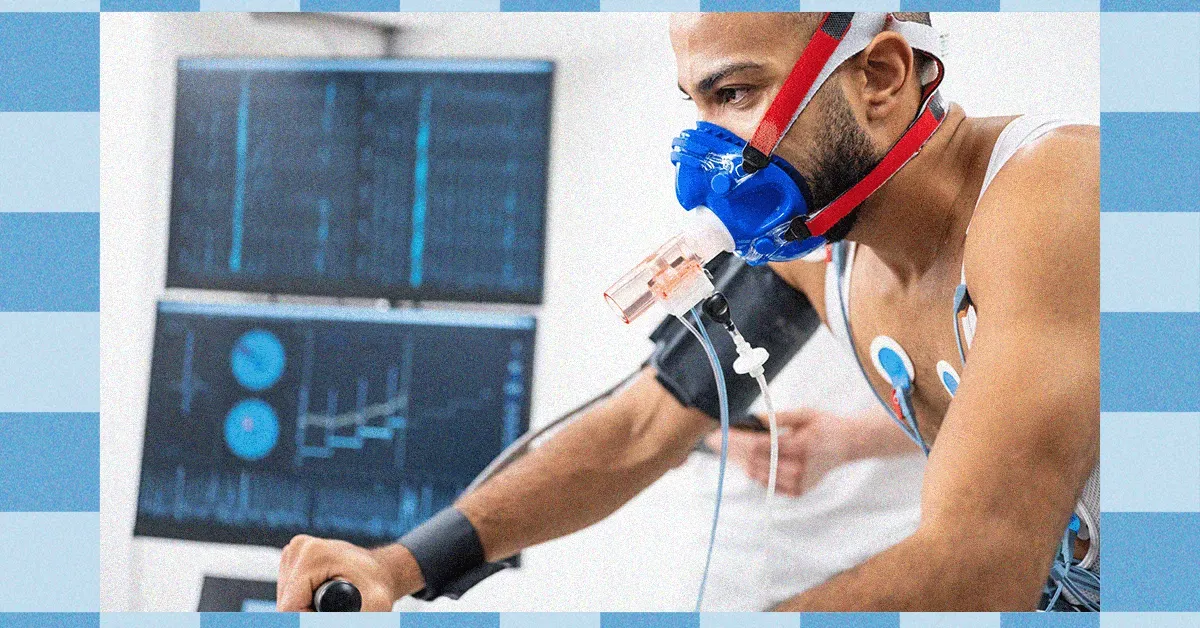
VO2 max, once confined to elite sports labs, is now a mainstream fitness metric—yet one lab technician’s offhand question about ChatGPT reveals the surreal collision of biotech and AI in personal health.
VO2 max measures oxygen uptake during peak exertion, serving as an objective indicator of cardiorespiratory fitness. As Elizabeth Gardner, associate professor of orthopedic surgery at Yale, explains:
"VO2 max is an objective measure of how a human energy system can take in oxygen and utilize it during exercise,"
Lab testing for VO2 max involves treadmill or stationary bike protocols with oxygen/CO2 masks, costing $200–$400. Wearables like Garmin and Whoop estimate VO2 max via heart rate and movement data, but accuracy is lower than lab tests. The metric correlates with reduced risks of cardiovascular disease, diabetes, and certain cancers.
During a testing session, a lab technician asked the author, "Do you use ChatGPT to write stories?" The fleeting reference underscores how AI permeates even spaces where its relevance feels tenuous. While the article’s core focuses on fitness science, this moment highlights the broader trend of AI integration into health contexts—often as a background presence rather than a central innovation.