
Federal Laws and NASA Policies on Apollo Moon Rock Ownership: Theft, Curation, and Public Access
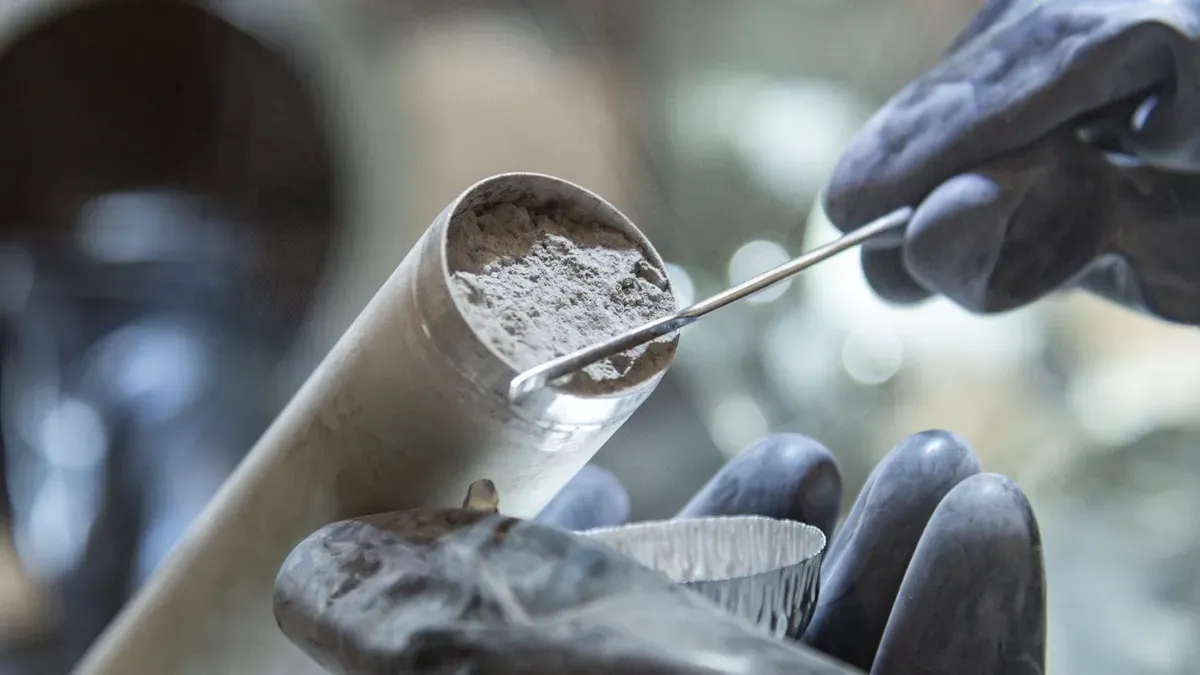
In 2002, three NASA interns stole moon rocks worth $21 million, only to be caught when FBI agents posing as buyers met them at a hotel. The case underscores the federal laws governing lunar samples—and the severe penalties for violating them.
The 2002 theft involved 17 pounds (8 kg) of Apollo mission samples, leading to an 8-year prison sentence for the mastermind and house arrest for others. NASA’s Lunar Sample Laboratory in Houston stores 842 pounds (382 kg) of lunar material collected during Apollo missions (1969–1972), with strict contamination controls.
Federal statutes such as 18 U.S.C. § 641 (theft of government property) and §§ 2314–2315 (interstate transportation of stolen property) govern unauthorized possession or sale of these materials.
Unlike lunar meteorites—naturally fallen rocks found on Earth—Apollo samples are classified as government property.
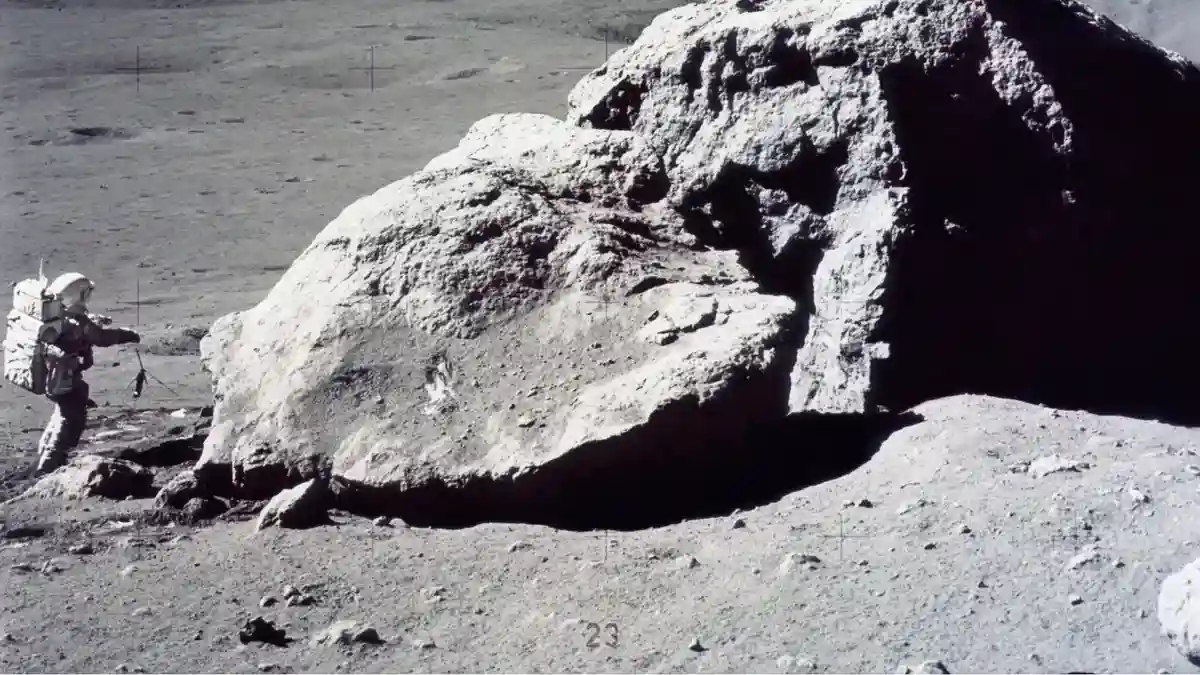
Educators and researchers may access lunar samples via NASA’s certification program, requiring return of materials after use. Andy Saunders, a NASA digital restoration expert, noted, “The material is still actively used... we’re still learning from the Apollo missions.”
Recommended Reading