


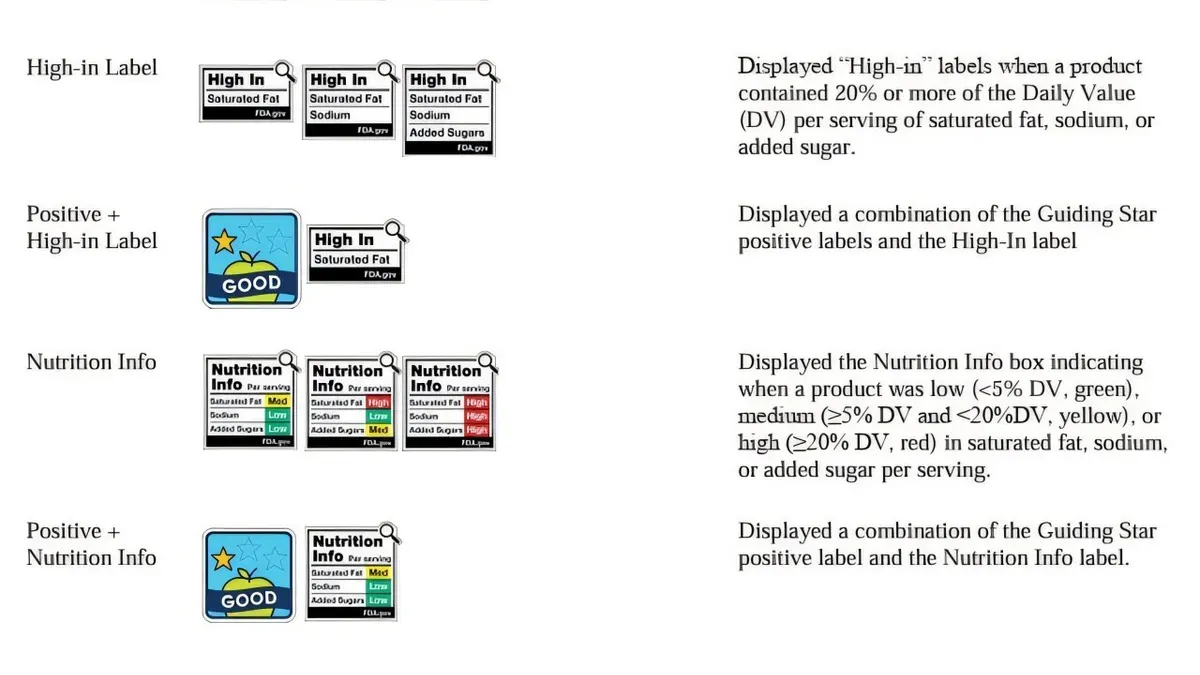
A proposed FDA nutrition label may inadvertently deepen health disparities, favoring consumers with higher literacy skills over those with limited understanding.
A randomized trial involving over 5,000 primary grocery shoppers across the U.S. revealed significant gaps in comprehension between high- and low-nutrition-literacy groups when using the agency’s proposed 'Nutrition Info Box' label.
Researchers found a 12–13 percentage point gap in understanding between these groups with the Nutrition Info Box, compared to just a 3 percentage point gap with 'spectrum' labels.
Spectrum labels, which use color-coded systems to indicate healthfulness, have previously shown potential to encourage healthier food purchases.
Dr. Anna H. Grummon, a study co-author, said:
"For each of the labeling systems, we measured the gap in understanding between people with higher and lower nutrition literacy... The disparity was most pronounced with the Nutrition Info Box."
The study population represented diverse racial, ethnic, income, and education backgrounds, ensuring broad applicability of the findings. Dr. Jason Block, another researcher, emphasized the need for complementary measures:
"First, if the FDA requires a Nutrition Info label, they should ensure they provide extensive education to consumers with lower nutrition literacy... Second, alternative label designs like the spectrum system merit serious consideration."
Contextualizing the findings, diet-related diseases cost the U.S. healthcare system $50 billion annually. The FDA aims to finalize front-of-package labeling rules by 2025, with the study’s results suggesting policy adjustments may be necessary to avoid exacerbating health inequities.
⚠️ LEGAL DISCLAIMER: It is for informational purposes only. It never substitutes for professional medical advice, diagnosis, or treatment. Always consult your doctor regarding any questions about your health.