


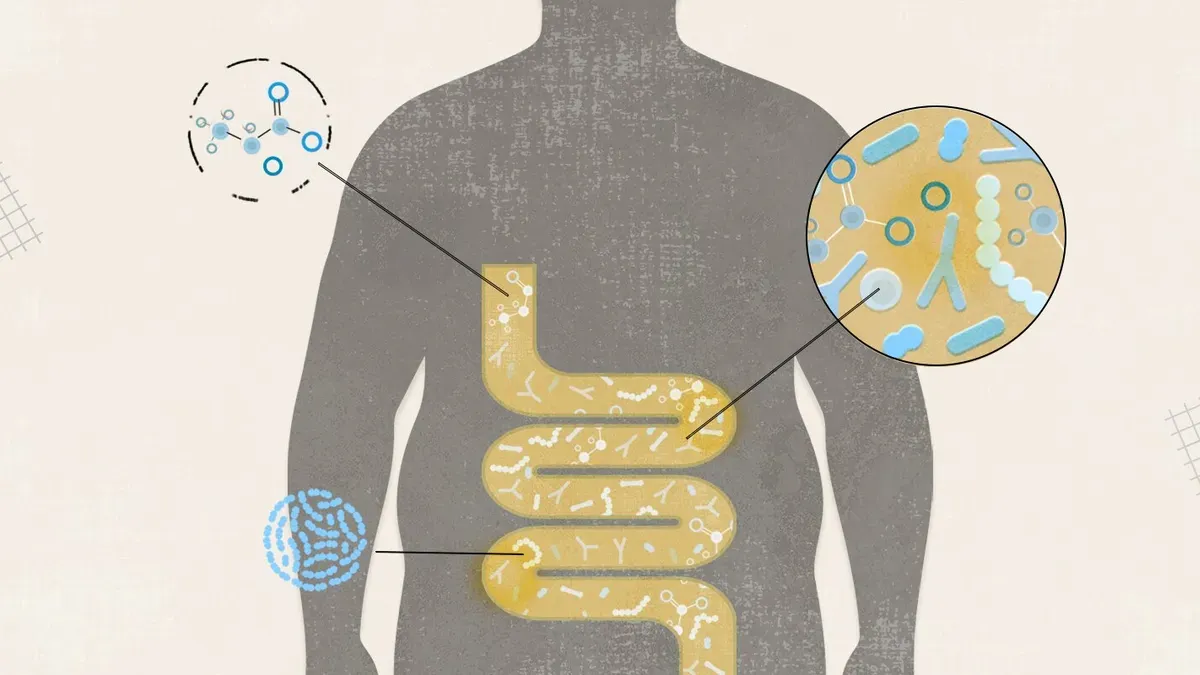
A gut microbiome study reveals intermittent fasting may reshape harmful bacterial communities to help sustain weight loss. Led by Maggie Stanislawski, Ph.D., the DRIFT trial found that intermittent fasting (IMF) resulted in statistically significant weight loss compared to daily calorie restriction (DCR).
The research highlights how microbial diversity and short-chain fatty acids (SCFAs) like acetate and butyrate, produced by bacteria such as Akkermansia muciniphila, are linked to metabolic benefits and appetite regulation via GLP-1.
Microbial shifts were more pronounced in IMF participants, with specific taxa associated with improved metabolic outcomes.
Dr. Stanislawski emphasized the potential of targeting the microbiome for weight management: "Now if we could understand how microbiomes affect weight loss in humans, we might be able to target the microbiomes to help people lose weight and maintain that weight loss."
Maggie Stanislawski said:
"There's active research on making different types of probiotics and on incorporating prebiotic foods to match somebody's microbiome community composition."
The study, part of the DRIFT trial—the largest human study to date on IMF microbiome effects—notes that microbial diversity correlates with greater weight loss and better post-intervention maintenance.
Dr. Stanislawski advocates for dietary diversity, recommending 30+ plant types weekly to enhance gut health. The findings are preliminary and not yet ready for clinical application.
⚠️ LEGAL DISCLAIMER: It is for informational purposes only. It never substitutes for professional medical advice, diagnosis, or treatment. Always consult your doctor regarding any questions about your health.